Identify quantities that need measurement evidence
Use the accepted program to list the truck measurements and relevant supplied instruments. Distinguish depth indication, line-load information, acquisition channels and any other identified observations. Ask the purchaser’s measurement team to define the evidence required for each. Do not assume every device needs an identical certificate or that a single package document establishes performance of tools and external instruments supplied by other parties.
Connect records to equipment identity
Request identification that links each document to the actual supplied component or configuration. Check the description, serial information where applicable and document scope against the accepted equipment list. A valid record for a similar instrument is not necessarily evidence for the delivered item. Ask the supplier to resolve substitutions and missing identities before handover rather than leaving the receiving team to reconstruct the connection from photographs or informal correspondence.
Review conditions and relevance to intended use
Have the responsible measurement specialists assess the range, conditions and reported information against the accepted requirement. A calibration result outside the relevant range may not answer the purchaser’s question. Keep supporting traceability information distinguishable from a blanket accreditation claim about the whole truck. The supplier should explain which quantities and equipment are covered, with any limitations retained in the review rather than hidden behind a generic calibrated label.
Separate component calibration from integration checks
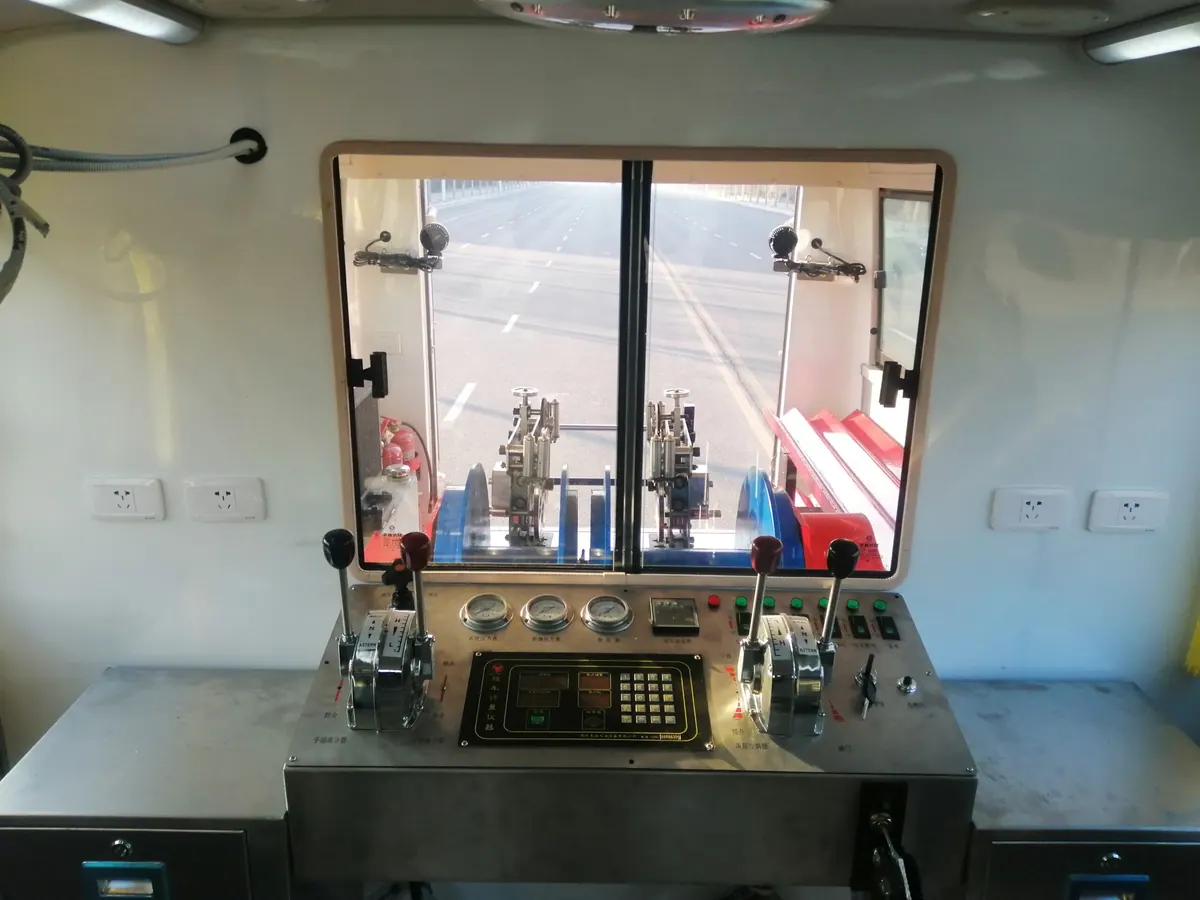
Ask which evidence addresses an individual sensor or instrument and which addresses the installed signal and recording chain. Installation, scaling, channel identity and output handling can require their own verification. Do not infer an installed-system uncertainty directly from one component certificate. Agree the checks needed after integration and any site-dependent work, with representative output records linked to the accepted configuration and measurement definitions.
Plan records and future service together
Include the accepted documents, equipment list and relevant supplier instructions in a searchable handover set. Ask how maintenance, replacement or configuration changes affect the evidence and what review is required. Future intervals and service arrangements should follow the actual equipment requirements and purchaser program, not an invented universal schedule. Keep responsibility for purchaser-supplied and external instruments explicit so important measurement evidence does not disappear between package boundaries.
Compare the quality of evidence, not certificate quantity
A proposal with many unrelated documents can still leave a critical measurement unsupported. Map each accepted quantity to its equipment, supporting record and installed check. Ask the supplier to explain gaps and the conditions under which additional verification is necessary. This makes the bid comparison more useful than counting certificates or accepting a broad precision claim. The purchase should establish relevant, identifiable evidence and access to it, while keeping calibration, field uncertainty, equipment conformity and acceptance of the complete well program as distinct matters reviewed by the appropriate competent parties.
Put these items side by side in the bid review
| Purchase item | Question to resolve | Evidence to request |
|---|---|---|
| Identity | Does the record match supplied equipment? | Linked component and document list |
| Relevance | Does it support the intended measurement? | Reviewed conditions and range |
| Integration | What remains after installation? | Accepted signal-chain checks |
Suggested wording for the quotation request
Provide a measurement-evidence schedule for the supplied test truck. Link quantities and equipment identities to calibration documents, relevant conditions and traceability information. Separate component records from installed-system checks and identify purchaser or external instruments outside the scope. State the handover format, missing evidence and changes requiring review. Do not substitute a blanket truck-accuracy claim for configuration-specific measurement documentation.
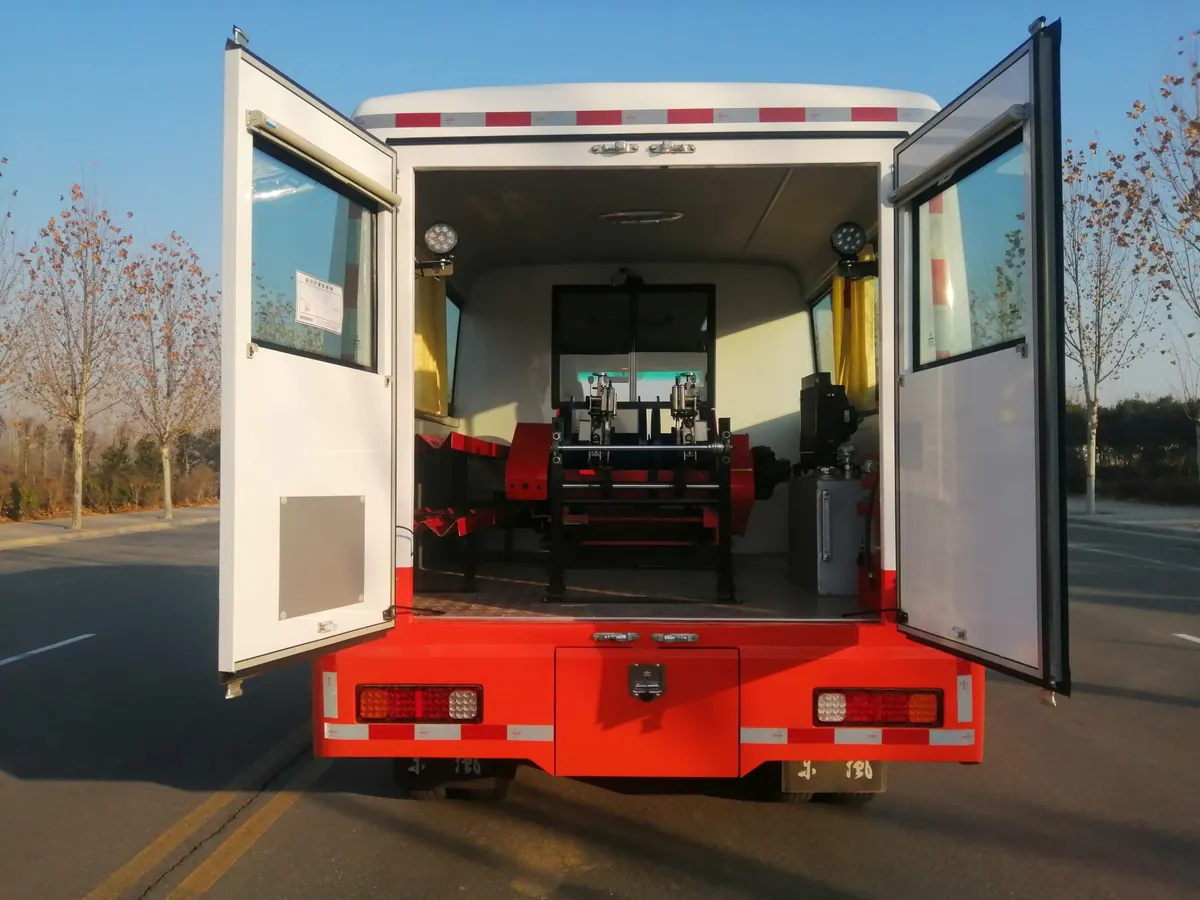
Select the truck from the instrument deployment and measurement assignment, not from the words well testing alone. Confirm the line and tool combination, depth and load basis, acquired signals, power arrangement and operator workspace. External well-control equipment, surface separation and flow handling require their own agreed supply and acceptance boundaries. A vehicle photograph does not prove installed accessories or universal downhole-tool compatibility. Retain the accepted equipment schedule, interface drawings, calibration evidence and operating documents with the purchase. Actual field work requires approved procedures and competent personnel.
For the wider equipment scope, consult the Test Well Truck Manufacturer Guide. Use the RFQ checklist to collect the supporting documents before requesting a configuration-specific quotation.
Buyer questions
Does one calibrated sensor establish truck measurement accuracy?
No. Review the complete relevant measurement chain and installed checks.
Is more documentation always better evidence?
Only documents connected to the supplied equipment and intended requirement support the acceptance review.
Background and supplier contact
NIST metrological traceability background offers related background, not certification of the equipment in a quotation. Applicability must be checked for the project and destination.
Explore the test well truck, browse all technical resources, or visit Vance Petroleum for company information. Request a test-truck proposal with the tool program, line selection, required measurements, site interfaces and destination.