Build a channel schedule from the program
List the observations the truck must receive, display and store. Identify the source instrument, signal or communication interface, units and intended use for each channel. Separate confirmed requirements from future options. The bidder can then respond to an actual measurement schedule instead of quoting an impressive but undefined channel count. Where instrument details are unavailable, ask for the missing interface information rather than assuming a familiar connection will be compatible.
Check electrical and communication compatibility
Request the proposed input hardware, conditioning and communication interfaces for the identified instruments. Ask which adapters and configuration work are included. Matching connector shapes or a general serial-port description does not prove that devices exchange usable measurements. Include tool-provider documentation and clarify responsibility for compatibility confirmation. The complete path from source to stored value needs review, with any unsupported signals shown as deviations rather than concealed future integration work.
Specify timing and recording requirements
Have the measurement team define the relevant update and recording needs for the intended observations. Ask how channels are time identified and how interrupted or unavailable inputs are represented. Do not equate display refresh with stored sampling or assume every input uses the same timing basis. Request an explanation of the proposed arrangement and its limitations without inventing a universal recording rate for all instruments and survey programs.

Review the usable output rather than screens alone
Ask for representative files containing the agreed units, channel identities and relevant run information. Check how the receiving team will read them and distinguish raw from processed records. A successful screen demonstration can leave export permissions, format restrictions or missing identifiers unresolved. Include software and access requirements in the technical scope so the purchaser can use the records after delivery without relying on an unspecified proprietary viewing arrangement.
Tie acceptance to the installed channel list
Agree which inputs will be demonstrated with actual instruments and which use representative signals. Retain the accepted channel configuration, equipment identities and output examples with the order. Record any assumptions that must be verified at site. If instruments or software later change, obtain an interface review before treating the original demonstration as evidence for the revised system. More available channels do not compensate for an unsupported critical measurement.
Price the complete acquisition path
Compare input modules, software, interfaces, recording capacity and deliverable access as one defined package. Ask bidders to identify options and limitations separately from the base hardware. An inexpensive recorder may need significant additional work for the chosen instruments, while a larger system can still omit a required format or interface. Keep these differences visible in the evaluation. The accepted proposal should show how each required observation reaches an identifiable, usable record, without claiming that a broad communication standard guarantees universal compatibility or that channel quantity establishes measurement quality.
Put these items side by side in the bid review
| Purchase item | Question to resolve | Evidence to request |
|---|---|---|
| Input | What instrument supplies each channel? | Identified signal schedule |
| Timing | How are observations recorded together? | Accepted recording basis |
| Output | Can the purchaser use the files? | Representative export and access terms |
Suggested wording for the quotation request
Provide an acquisition proposal against the attached instrument and channel schedule. Identify input hardware, signal conditioning, communication interfaces, timing, recording and file-export scope. List included software and access rights, additional integration work and unsupported requirements. Propose installed-system checks with representative outputs and distinguish actual instrument tests from simulated inputs. Keep optional future channels separate from the accepted base configuration.
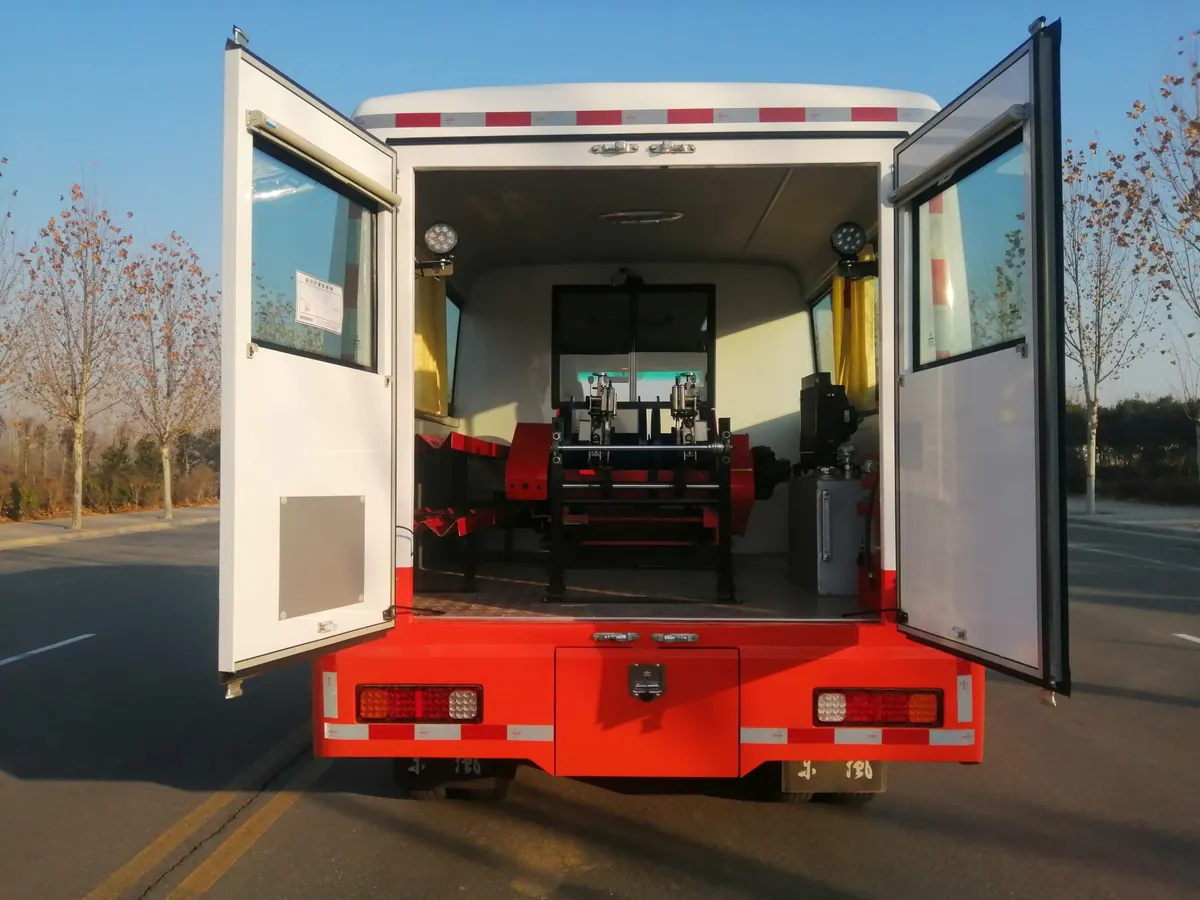
Select the truck from the instrument deployment and measurement assignment, not from the words well testing alone. Confirm the line and tool combination, depth and load basis, acquired signals, power arrangement and operator workspace. External well-control equipment, surface separation and flow handling require their own agreed supply and acceptance boundaries. A vehicle photograph does not prove installed accessories or universal downhole-tool compatibility. Retain the accepted equipment schedule, interface drawings, calibration evidence and operating documents with the purchase. Actual field work requires approved procedures and competent personnel.
For the wider equipment scope, consult the Test Well Truck: Specs and Sizing. Use the RFQ checklist to collect the supporting documents before requesting a configuration-specific quotation.
Buyer questions
Does a larger channel count ensure compatibility?
No. Each required instrument and signal path must be supported by the proposed configuration.
Is a screen demonstration enough for data acceptance?
No. Check stored records, identifiers, formats and the purchaser access needed after delivery.
Background and supplier contact
NIST metrological traceability background offers related background, not certification of the equipment in a quotation. Applicability must be checked for the project and destination.
Explore the test well truck, browse all technical resources, or visit Vance Petroleum for company information. Request a test-truck proposal with the tool program, line selection, required measurements, site interfaces and destination.