Begin with the real operating basis
A useful Test Well Truck plan starts with the work the unit must perform: mobile separation and measurement of oil, gas and water during well cleanup, appraisal and production testing. Record normal, minimum, maximum and transient cases instead of relying on one headline capacity. The review should identify expected phase rates, operating pressure and temperature, fluid PVT behavior, sand and H2S risk and measurement uncertainty target together with the source and confidence level for each value.
Trace those inputs through the two- or three-phase test separator, multiphase metering instruments, choke and pressure-control manifold and sampling and data-acquisition package. This system view helps the project team see where a site condition, fluid property or operating limit affects more than one component. It also creates a defensible basis for supplier clarification, field setup and later change control.
Convert the site survey into a mobilization plan
Confirm road and gate access, turning space, parking orientation, ground condition, lifting needs, exclusion zones, escape paths, drainage and lighting. Mark the exact position of every connection and the safe route for hoses, cables or temporary piping. For exploration well testing, production allocation, post-stimulation cleanup and extended flow testing, note which interfaces change with the job sequence and which must remain continuously available.
| Review point | Project question | Required record |
|---|---|---|
| expected phase rates | What range is expected during this job? | Approved duty sheet |
| operating pressure and temperature | What limit requires an alarm, hold or shutdown? | Operating procedure |
| fluid PVT behavior | What site or process variation is credible? | Site survey and fluid data |
| sand and H2S risk | Who supplies and verifies the interface? | Responsibility matrix |
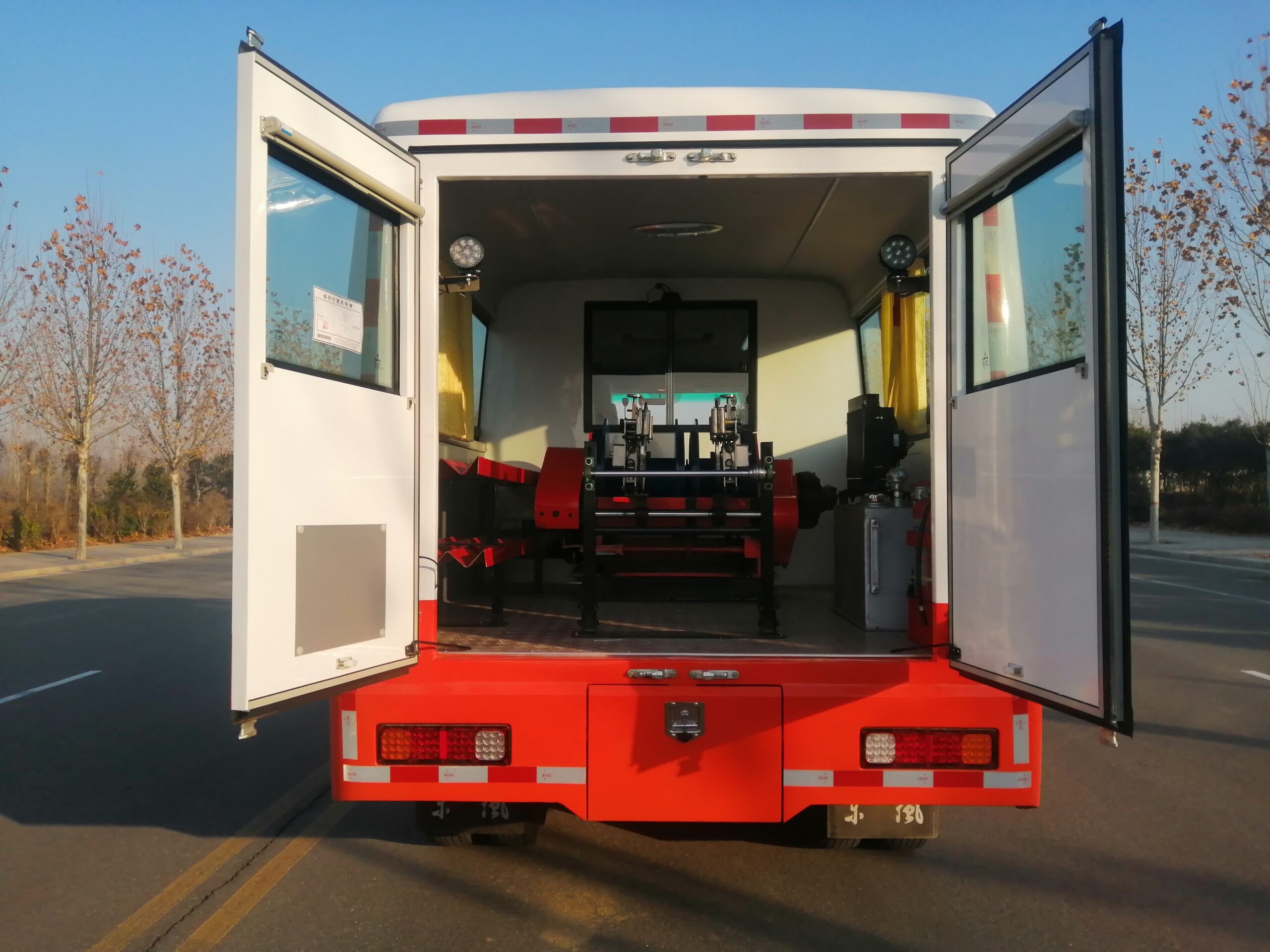
Assign interfaces and decision authority before arrival
Name the person responsible for site access, equipment positioning, utility release, process isolation, permits, communications and final startup authorization. Identify the stop-work authority for the equipment crew and the site representative who can approve a change to the planned duty. A responsibility matrix prevents a connection or safety check from being assumed by both parties and completed by neither.
Review the sequence from arrival through demobilization. Include unloading or spotting, stabilization, bonding and grounding where applicable, line-up, leak checks, controlled startup, stable operation, shutdown, depressurization, draining, cleaning and transport preparation. Set hold points before energy is introduced and before the unit is disconnected.
Plan credible deviations, not generic emergencies
Define what the crew will do if an expected utility is unavailable, the return path is restricted, weather changes, communication is lost or the operating value moves outside the agreed envelope. Confirm safe shutdown energy, spill materials, fire protection, recovery equipment and the nearest suitable escalation contact. Record what condition permits restart and who authorizes it.
Keep records that support the next decision
Keep the approved duty sheet, site survey, interface drawing, procedures, inspection results, test records, deviations and signed handover information in one controlled equipment file. Record the installed component models and document revisions so operators and maintenance personnel can confirm that their instructions match the field configuration.
After the job, compare planned and actual values for expected phase rates, operating pressure and temperature, fluid PVT behavior, sand and H2S risk, measurement uncertainty target. Record abnormal events, adjustments, consumable use and any condition that affected setup or performance. Use the findings to improve the next job plan without silently expanding the approved operating envelope.
Apply project and jurisdictional requirements
Use this planning guide with the owner's procedures, local law and applicable project standards. Review relevant requirements through OSHA oil and gas extraction safety guidance. The project-specific engineering and safety basis governs the final configuration and work method.