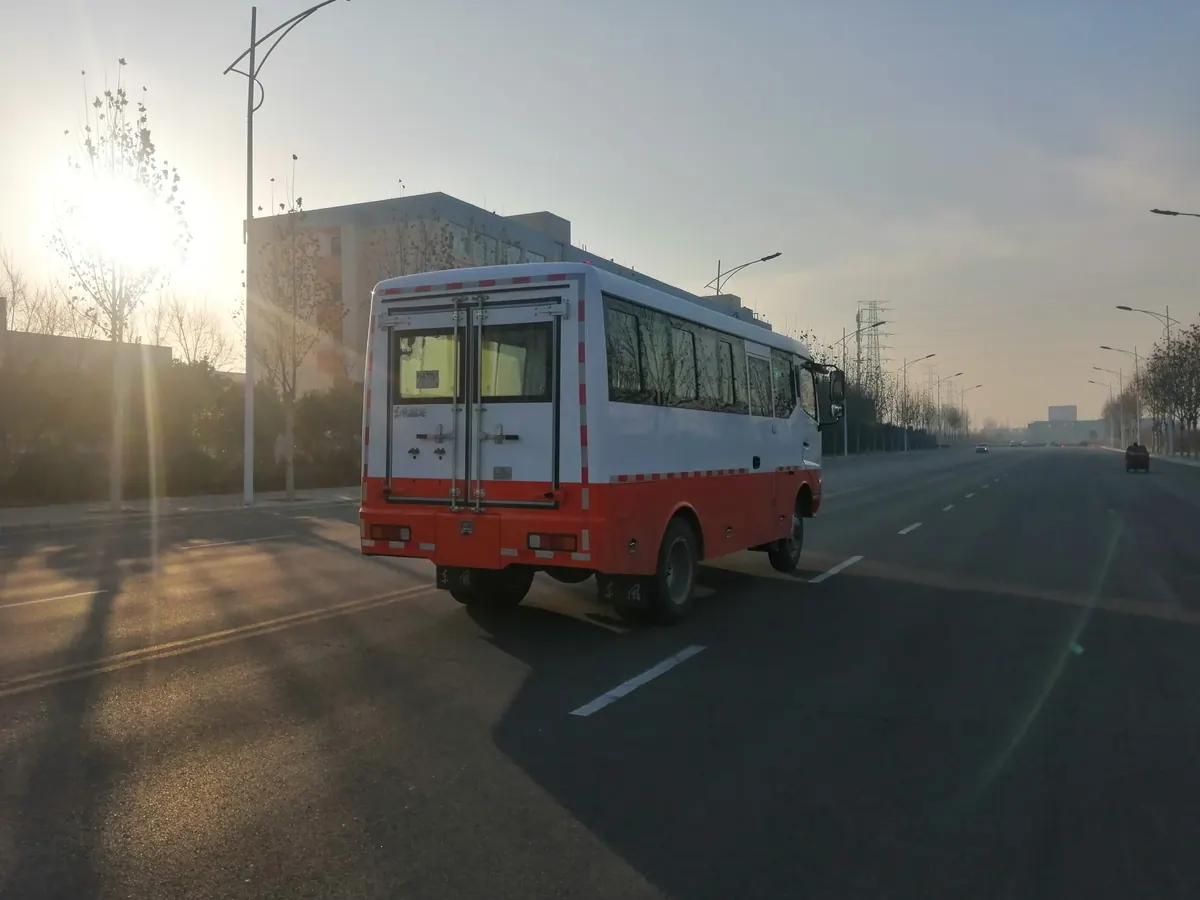
Define the final equipment and transport load
List the supplied instruments, line equipment, power system, cabin installation and items carried during transport. Identify purchaser additions and consumables that affect the loaded condition. Ask the vehicle supplier to respond to the actual schedule instead of an empty-chassis reference. Equipment mass and position matter together; spare floor area does not establish payload availability or approval to install another cabinet, winch or power source.
Request configuration-specific vehicle information
Ask for the proposed carrier identity, installed arrangement, dimensions and relevant loaded and axle information. Identify which values are preliminary and which will be confirmed for the completed vehicle. A gross weight figure alone does not describe axle loading or the effect of equipment placement. Have the responsible supplier and purchaser reviewers evaluate the proposed arrangement against the destination and intended transport conditions before the order is finalized.
Separate operating access from road mobility
Provide the expected site approaches, access constraints and placement requirements. Ask the bidder to explain any restrictions of the proposed configuration. Do not promise off-road performance from the truck category or infer capability from a reference photograph taken on a paved road. The accepted carrier needs a documented basis for the purchaser’s actual use, with external site preparation and support responsibilities kept explicit where required.
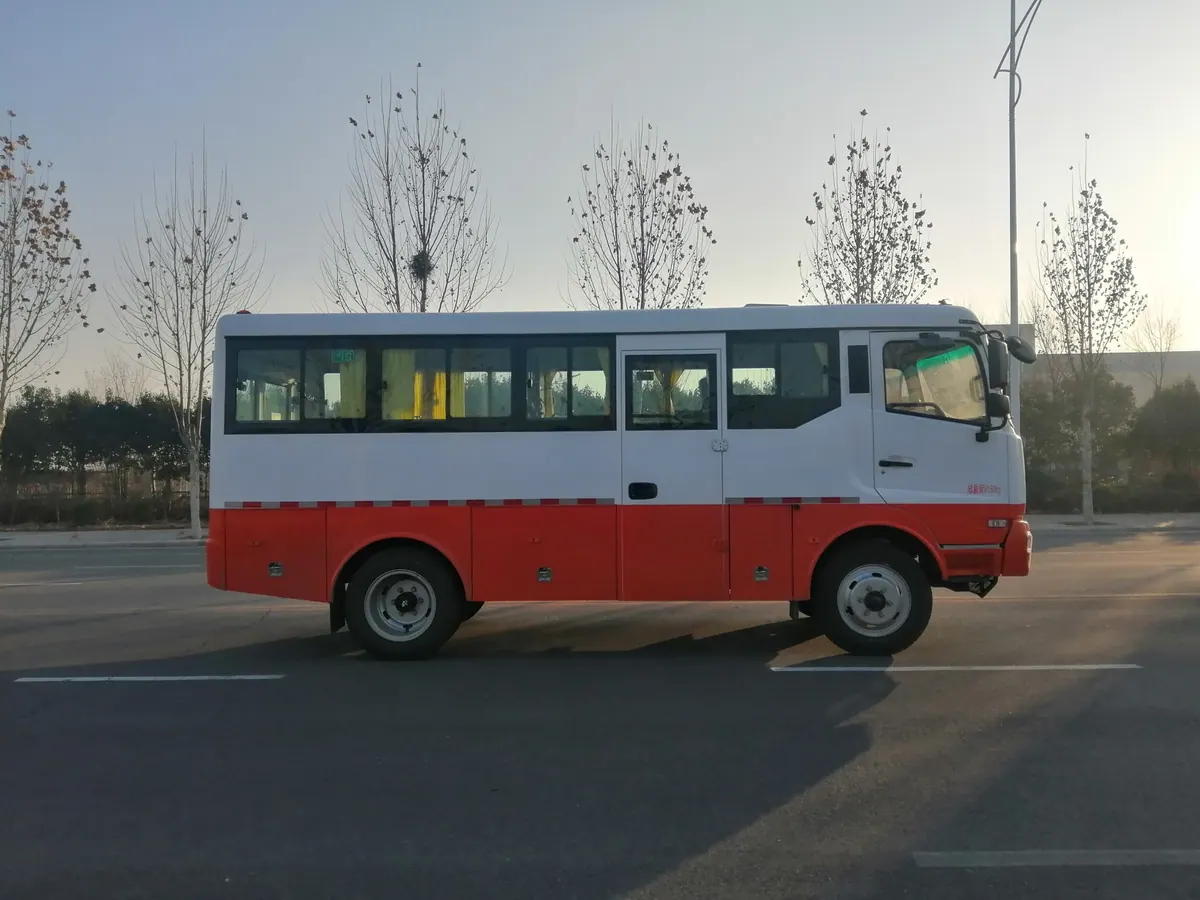
Review destination acceptance and shipping scope
Have the importer and relevant specialists identify applicable vehicle, transport and documentation requirements. Ask what evidence the supplier can provide for the selected configuration. Export readiness is not a universal approval for every destination. Separate shipping dimensions, preservation, handover terms and local acceptance work in the commercial response, using agreed trade terms and responsibilities rather than assuming a delivered price covers registration or every local adaptation.
Control changes after carrier selection
Keep the accepted arrangement and loaded-condition basis with the order. Ask the supplier to assess any change in instruments, power equipment or cabin layout before installation. Record its effect on mass, access, documentation and delivery scope. The completed vehicle should be checked against the accepted configuration, with deviations resolved explicitly instead of relying on an earlier chassis brochure or a reference build that carried a different equipment package.
Compare the truck as delivered and as used
Ask each bidder to identify the condition represented by its dimensions and weight information, including any equipment shipped separately. Reconcile those details with the purchaser’s transport and campaign plan. An apparently lighter or cheaper proposal may omit required equipment, while a larger carrier may introduce access or destination constraints. Keep these differences in the technical and commercial evaluation. The purchase should establish an accepted vehicle arrangement and a clear destination review path, without inventing universal road legality, off-road capability, axle margins or a guarantee that later additions will fit within the original carrier selection.
Put these items side by side in the bid review
| Purchase item | Question to resolve | Evidence to request |
|---|---|---|
| Load | What travels on the completed vehicle? | Final equipment and transport schedule |
| Carrier | Which loaded condition is assessed? | Configuration-specific vehicle data |
| Destination | Who confirms local acceptance? | Importer and supplier responsibilities |
Suggested wording for the quotation request
Quote the carrier for the attached installed and transport equipment schedule. Provide the proposed arrangement, dimensions and relevant loaded and axle information with its basis and status. Identify site access limitations, destination documentation and shipping responsibilities. State which changes require reassessment and distinguish factory vehicle completion from importer registration, local acceptance and site preparation outside the agreed supply.
Select the truck from the instrument deployment and measurement assignment, not from the words well testing alone. Confirm the line and tool combination, depth and load basis, acquired signals, power arrangement and operator workspace. External well-control equipment, surface separation and flow handling require their own agreed supply and acceptance boundaries. A vehicle photograph does not prove installed accessories or universal downhole-tool compatibility. Retain the accepted equipment schedule, interface drawings, calibration evidence and operating documents with the purchase. Actual field work requires approved procedures and competent personnel.
For the wider equipment scope, consult the Test Well Truck: Commissioning Guide. Use the RFQ checklist to collect the supporting documents before requesting a configuration-specific quotation.
Buyer questions
Does gross vehicle weight prove acceptable axle loading?
No. Review the actual arrangement and relevant configuration-specific vehicle information.
Does an export offer guarantee destination registration?
No. Agree local requirements, evidence and responsible parties for the selected vehicle.
Background and supplier contact
ICC Incoterms® resources offers related background, not certification of the equipment in a quotation. Applicability must be checked for the project and destination.
Explore the test well truck, browse all technical resources, or visit Vance Petroleum for company information. Request a test-truck proposal with the tool program, line selection, required measurements, site interfaces and destination.