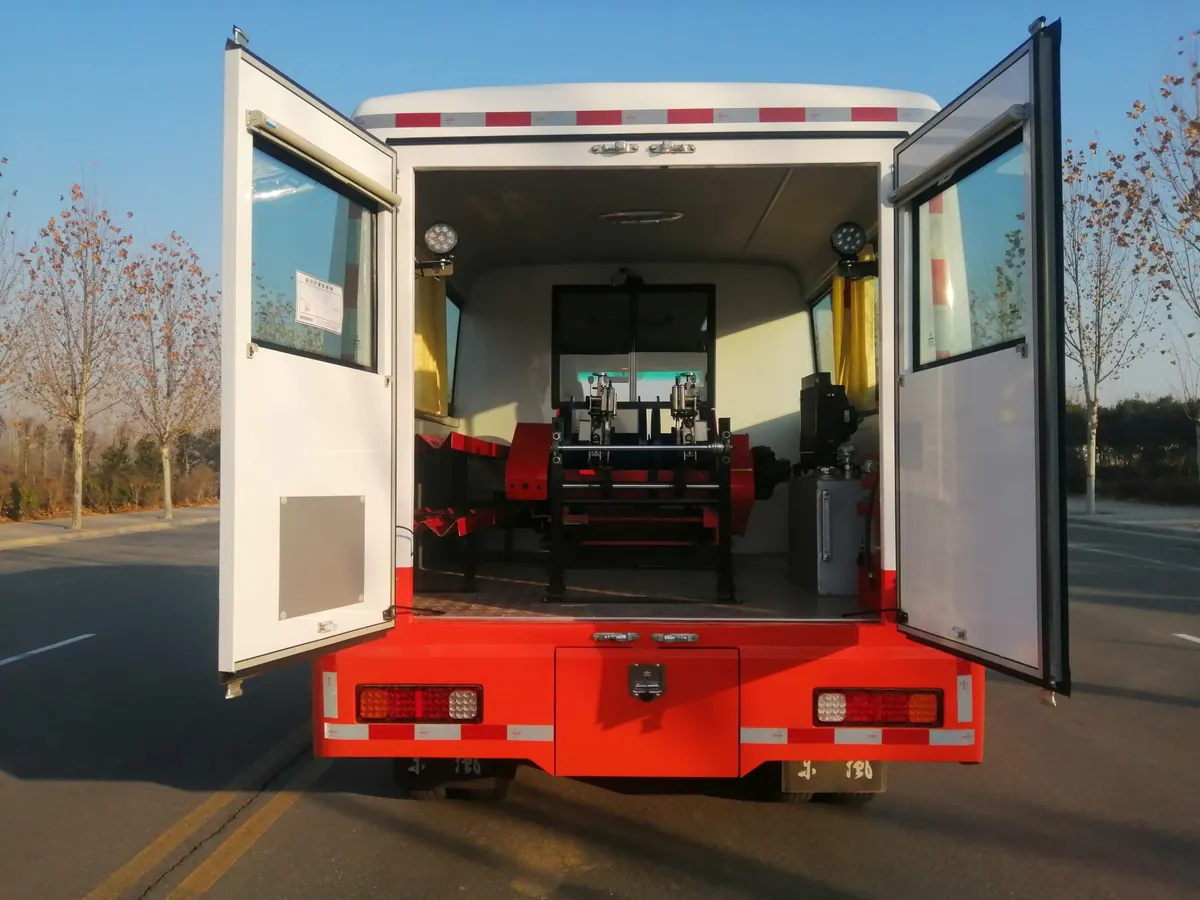
Separate the vehicle from the well barrier
Have the responsible well-services and well-integrity teams define the pressure-control arrangement for the planned work. Identify where the truck’s mechanical and data interfaces meet equipment supplied by others. A vehicle product name cannot establish suitability for a particular well or replace the program review. The purchase should refer to the accepted external arrangement without implying that all wellhead, pressure-containing and control equipment is installed on the truck.
Request a responsibility schedule
List each interface item and the party responsible for selection, supply, inspection and acceptance. Include information needed from the purchaser and other providers. Avoid a single statement that connections are compatible when the actual equipment is not identified. The schedule should show where the truck supplier’s responsibility ends and who resolves remaining questions, so a commercially excluded item is not silently assumed to be present during mobilization.
Obtain the relevant interface information
Ask the competent project team to provide the accepted tool, line and pressure-control interface requirements to the relevant suppliers. Request configuration-specific drawings and restrictions. Matching a nominal connection description is not sufficient evidence that the complete arrangement is appropriate. Keep pressure and material suitability assessments with the responsible providers rather than inferring them from the truck’s winch rating, cabin equipment or previous use on another assignment.
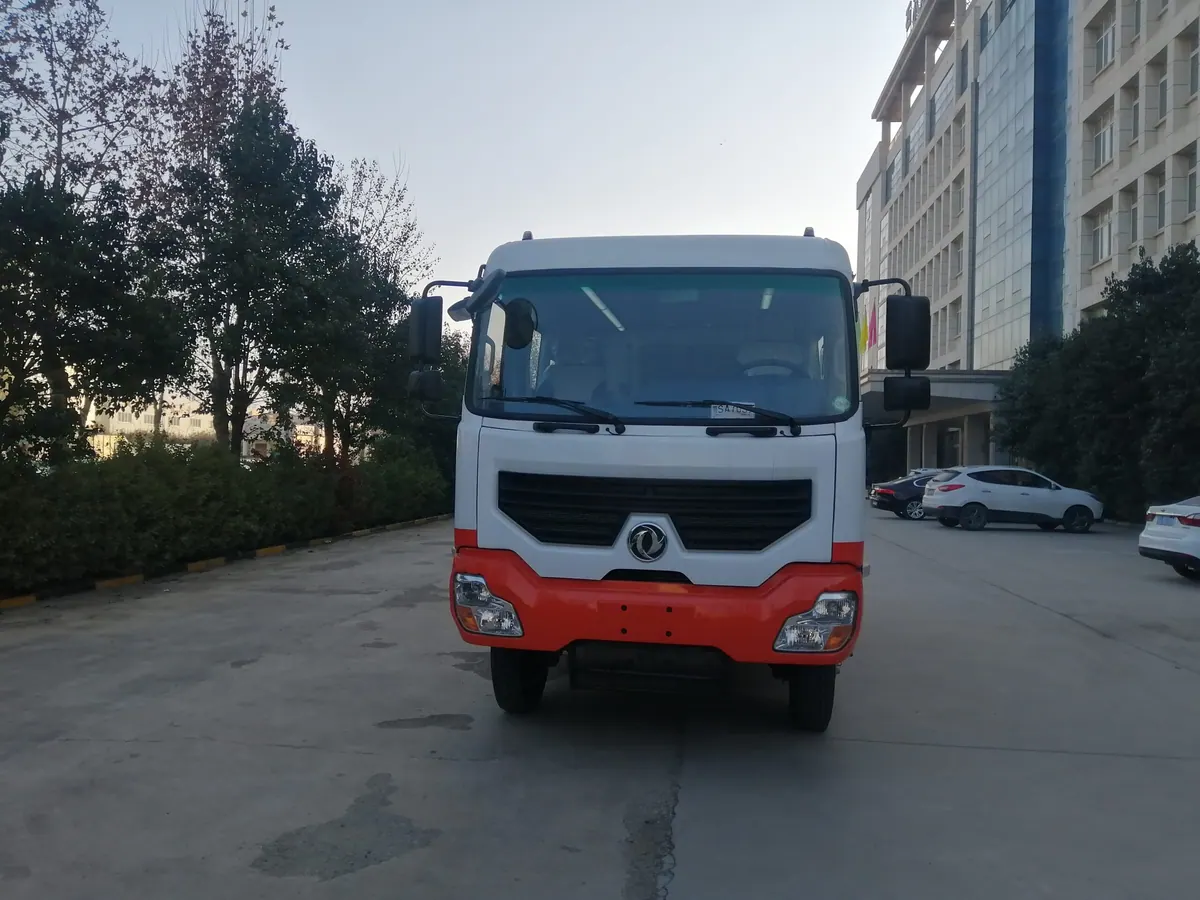
Agree documents and checks by equipment boundary
Define which supplier provides each inspection, test or conformity document required for the project. Ask how equipment identity and supplied configuration are linked to that evidence. A truck factory demonstration may verify local functions without proving the performance of external pressure equipment that was not present. State remaining site checks explicitly and obtain acceptance from the responsible team before treating the combined arrangement as ready for the intended well program.
Preserve restrictions when scope changes
Keep the accepted interface drawings, responsibility list and limitations with the order and handover records. A change in line method, tool string, well conditions or external provider may require renewed review. Do not let an adapter substitution or an informal field assumption change the approved boundary. Procurement should support a traceable equipment arrangement, not provide an operating procedure or authorize a well intervention outside the accepted program.
Compare complete responsibilities as well as price
A truck-only offer and an offer including separately specified pressure equipment can both be legitimate, but they are not equal-scope prices. Ask bidders to identify included items and dependencies clearly. Obtain the external providers’ responses before assigning a total package cost or readiness date. This avoids buying duplicate equipment in one area while leaving another interface unowned. The final agreement should connect the accepted vehicle functions to the separately reviewed wellsite arrangement, without claiming universal pressure compatibility, complete barrier coverage or automatic certification of equipment beyond the actual supplier scope.
Put these items side by side in the bid review
| Purchase item | Question to resolve | Evidence to request |
|---|---|---|
| Boundary | Where does truck supply end? | Accepted interface drawing |
| Responsibility | Who supplies and accepts each item? | Named scope schedule |
| Evidence | What does each document cover? | Configuration-linked records |
Suggested wording for the quotation request
Define the test truck supply boundary against the attached well program and separately reviewed pressure-control arrangement. Identify included interfaces, external equipment, required purchaser information and responsible suppliers. Provide relevant drawings, restrictions and configuration-linked verification documents. Separate truck functional acceptance from checks of external pressure equipment and list the site reviews still required before the combined arrangement is accepted.
Select the truck from the instrument deployment and measurement assignment, not from the words well testing alone. Confirm the line and tool combination, depth and load basis, acquired signals, power arrangement and operator workspace. External well-control equipment, surface separation and flow handling require their own agreed supply and acceptance boundaries. A vehicle photograph does not prove installed accessories or universal downhole-tool compatibility. Retain the accepted equipment schedule, interface drawings, calibration evidence and operating documents with the purchase. Actual field work requires approved procedures and competent personnel.
For the wider equipment scope, consult the Test Well Truck: Safety Systems Guide. Use the RFQ checklist to collect the supporting documents before requesting a configuration-specific quotation.
Buyer questions
Does a test truck quotation establish well-control suitability?
No. The actual well program and pressure-control arrangement require separate competent review.
Can factory truck checks prove external pressure equipment?
Only evidence covering identified equipment and the agreed scope can support its acceptance.
Background and supplier contact
OSHA oil and gas extraction guidance offers related background, not certification of the equipment in a quotation. Applicability must be checked for the project and destination.
Explore the test well truck, browse all technical resources, or visit Vance Petroleum for company information. Request a test-truck proposal with the tool program, line selection, required measurements, site interfaces and destination.