
Identify who receives and interprets the data
Ask the purchaser’s measurement or subsurface team to define required files and supporting information. Identify the software or workflow that receives the records. A truck supplier cannot infer the complete deliverable from a request for digital acquisition. Separate original instrument observations, derived values and the campaign report so bidders can state which outputs their equipment supplies and which require additional interpretation or services.
Define the time reference and identifiers
Request a clear statement of the time basis used by the proposed instruments and acquisition system. Ask how run identifiers and operator-entered information are stored. Where records originate from separate devices, obtain the proposed method for relating them and documenting discrepancies. Do not assume that similar timestamps prove synchronization. The responsible measurement team should agree the required relationship and acceptance evidence for the actual instrument configuration.
Review depth association and interruptions
Ask how recorded observations are related to depth information and what happens when deployment pauses, direction changes or data are unavailable. The output should allow the receiving team to understand those conditions. Avoid undocumented manual corrections that obscure the original record. Request a representative dataset showing relevant events and identifiers, while keeping a demonstration file distinguishable from actual well measurements and from an accepted field interpretation.
Check formats and access after delivery
Specify the required export format and accompanying definitions. Ask whether the purchaser needs licensed software, a subscription or supplier assistance to retrieve and use records. Clarify access to original files and any processing settings relevant to interpretation. A downloadable report image may not satisfy a requirement for reusable measurement data. Include agreed access and delivery terms in the commercial scope rather than discovering limitations after the truck is accepted.
Retain a controlled example and configuration
Approve representative outputs together with the acquisition configuration and documentation. Record units, channel definitions, tool identities and software information necessary to understand the files. Ask which changes require renewed compatibility or output review. This creates a practical reference for handover and later campaigns without assuming that every future instrument or software revision will preserve the original data structure, timing behavior or interpretation automatically.
Make a sample dataset part of bid evaluation
A modest, clearly identified demonstration can reveal gaps that a feature list misses. Have the receiving team attempt to locate channels, units, run identity, time and depth information using the proposed deliverables. Ask the supplier to explain missing or simulated elements and identify additional software required. Keep the accepted example with the order and distinguish it from proof of downhole performance. The aim is to buy an understandable record path, not merely an attractive dashboard, a generic real-time claim or an undefined promise that every file will work with the purchaser’s analysis tools.
Put these items side by side in the bid review
| Purchase item | Question to resolve | Evidence to request |
|---|---|---|
| Reference | What time basis is used? | Documented clock and identifier scheme |
| Alignment | How are depth and events related? | Representative annotated records |
| Access | What is needed to use exports? | Formats, definitions and licence terms |
Suggested wording for the quotation request
State the proposed time reference, run identification, depth association and export arrangements for the attached instrument program. Provide representative original and processed outputs with units and channel definitions. Identify software, licence and access dependencies, treatment of interrupted records and any manual inputs. Agree the deliverables and verification scope before acceptance, with limitations and future compatibility conditions clearly listed.
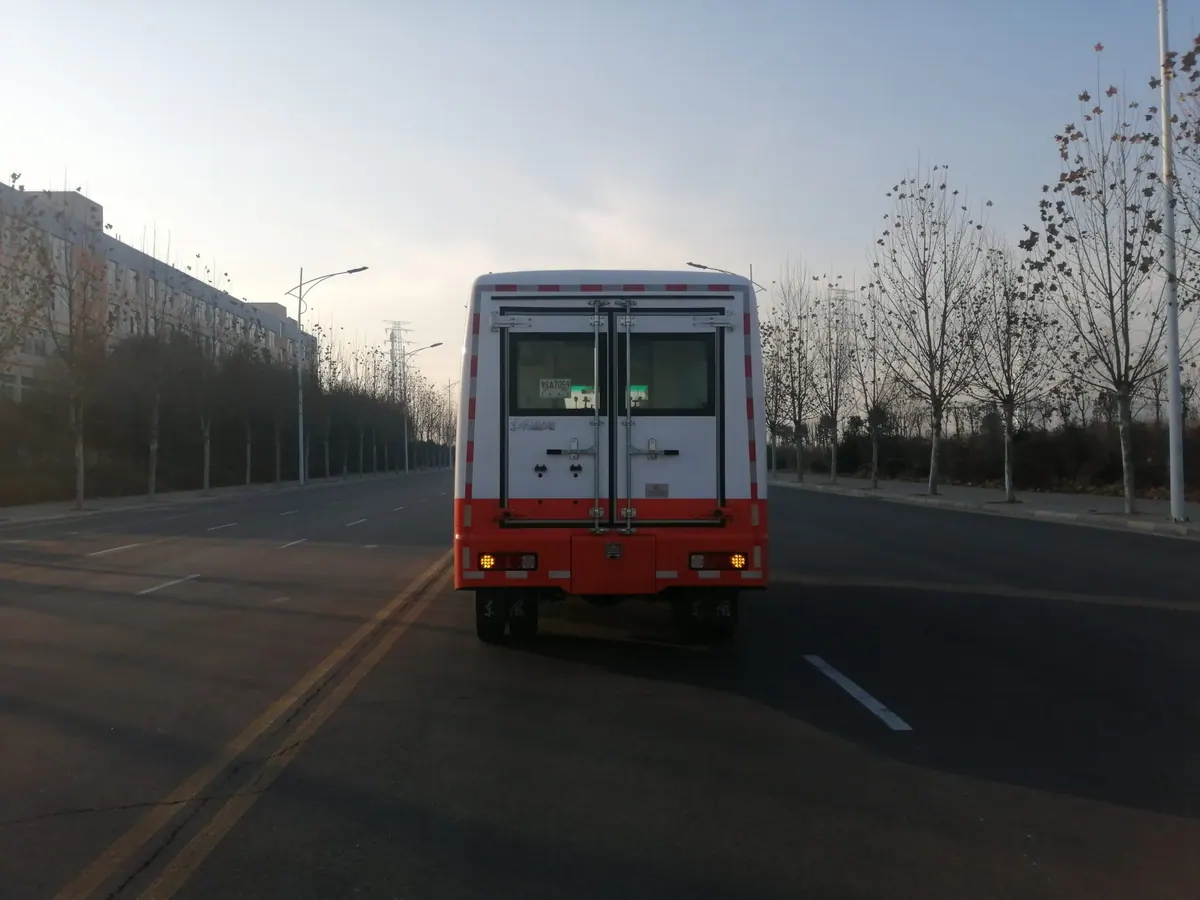
Select the truck from the instrument deployment and measurement assignment, not from the words well testing alone. Confirm the line and tool combination, depth and load basis, acquired signals, power arrangement and operator workspace. External well-control equipment, surface separation and flow handling require their own agreed supply and acceptance boundaries. A vehicle photograph does not prove installed accessories or universal downhole-tool compatibility. Retain the accepted equipment schedule, interface drawings, calibration evidence and operating documents with the purchase. Actual field work requires approved procedures and competent personnel.
For the wider equipment scope, consult the Test Well Truck: Utility Planning. Use the RFQ checklist to collect the supporting documents before requesting a configuration-specific quotation.
Buyer questions
Do matching timestamps prove synchronized measurements?
No. Confirm the time basis, alignment method and evidence for the actual devices.
Should original files be distinguished from processed reports?
Yes. Agree the records, definitions and access needed by the receiving measurement team.
Background and supplier contact
NIST metrological traceability background offers related background, not certification of the equipment in a quotation. Applicability must be checked for the project and destination.
Explore the test well truck, browse all technical resources, or visit Vance Petroleum for company information. Request a test-truck proposal with the tool program, line selection, required measurements, site interfaces and destination.