Ask for a response to the actual program
Provide the instrument assignment, line and recording requirements, carrier constraints and destination. Request a technical response identifying included equipment, deviations and unresolved inputs. A supplier may offer useful alternatives, but they should remain separate from the accepted base. Compare the ability to explain the selected configuration rather than relying on a claim that every type of well-testing equipment can be supplied from one catalogue.
Identify interface ownership before ordering
Use a register covering tools, line handling, external pressure equipment, data acquisition, power and purchaser additions. Ask which party provides the information and confirmation needed at each boundary. Interface ownership is especially important when instruments come from another provider. The supplier should identify its actual responsibilities and dependencies rather than making an unsupported universal compatibility promise that leaves practical integration work unassigned until delivery.
Agree the evidence delivered with the truck
Request the configuration list, relevant drawings, equipment documents, measurement records and accepted functional-test evidence. Identify what is supplied by component manufacturers and what covers integration on the vehicle. Keep any required third-party scope explicit and subject to configuration-specific confirmation. A general certification statement does not establish conformity for every component, destination or external wellsite arrangement; the contract should describe the evidence actually required and available.

Include usable data and operating access
Specify how acquisition files, relevant configuration information, software rights and manuals reach the receiving team. Ask which support or training activities are included and which are separately quoted. A handover should leave the purchaser able to identify equipment and access the agreed outputs, without assuming unlimited interpretation services or future compatibility. Retain the distinction between supplier demonstration, operator familiarization and the competent authorization needed for the actual well program.
Control changes and final acceptance
Agree how substitutions, open items and revised interfaces are reviewed and documented. Keep technical and commercial changes linked so the delivered vehicle does not quietly diverge from the accepted proposal. Define the conditions for shipment and the site work still required, with responsible parties identified. Use confirmed contract terms for delivery, warranty and service rather than repeating generic website promises or treating factory completion as acceptance of every project dependency.
Choose evidence that remains useful after delivery
A strong handover set is organized around the installed equipment and the purchaser’s actual work. Ask the receiving operations, measurement and maintenance teams to review the proposed document and access schedule before ordering. Resolve ownership of missing information while the contract is still being agreed. This supports a transparent supplier decision without inventing an approval badge, a universal performance guarantee or a fixed support response. The final purchase should show what the truck provides, how those functions are substantiated and which external equipment, site activities and future changes require separate review.
Put these items side by side in the bid review
| Purchase item | Question to resolve | Evidence to request |
|---|---|---|
| Response | Is the offered configuration explicit? | Accepted technical and deviation schedule |
| Interfaces | Who owns unresolved integration? | Named responsibility register |
| Handover | Can the receiving team use the package? | Documents, records and access schedule |
Suggested wording for the quotation request
Respond to the attached test-truck program with an identified equipment configuration, interface responsibilities and deviation list. Propose acceptance evidence and a handover schedule covering drawings, component documents, measurement records, software access and included support. State confirmed commercial terms and site dependencies. Require review of substitutions and retain external pressure-control and flow-testing responsibilities separately from the truck supply.
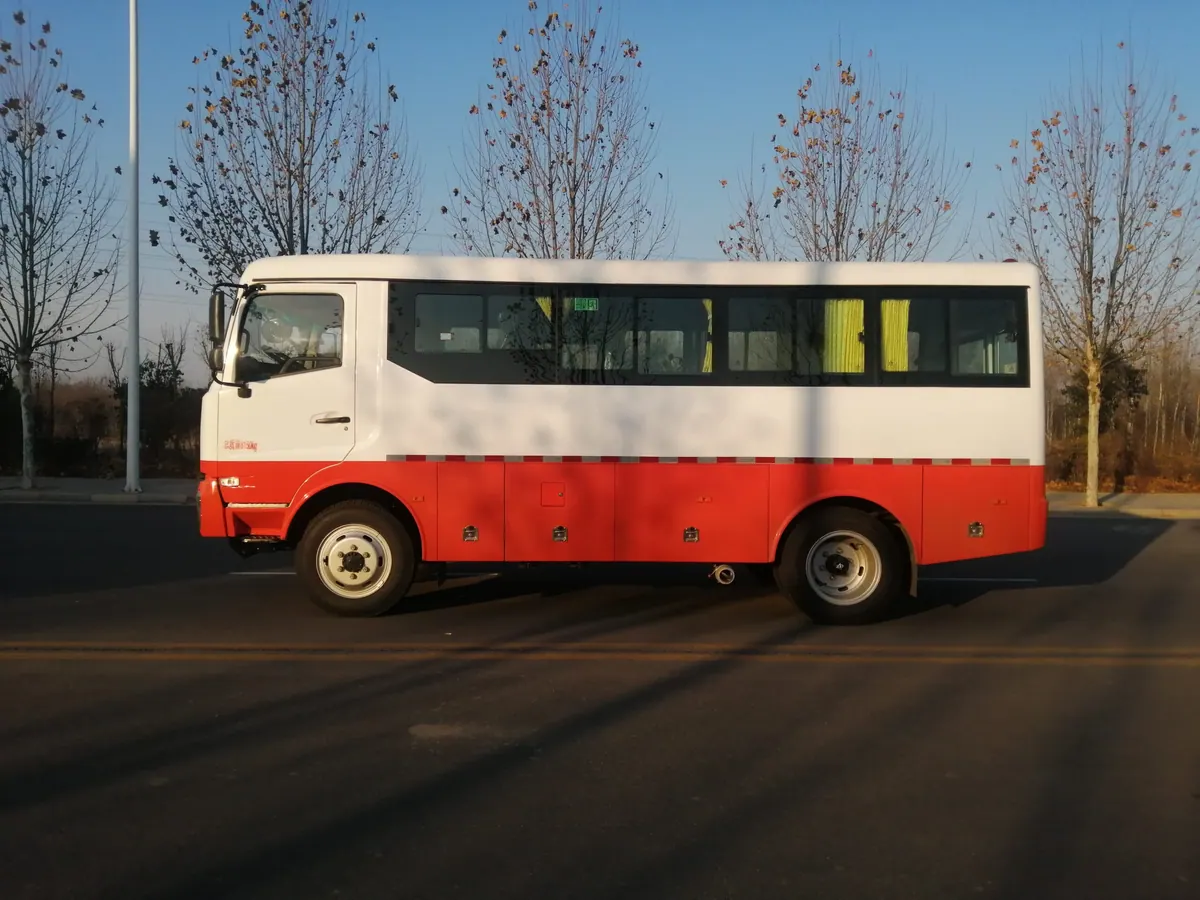
Select the truck from the instrument deployment and measurement assignment, not from the words well testing alone. Confirm the line and tool combination, depth and load basis, acquired signals, power arrangement and operator workspace. External well-control equipment, surface separation and flow handling require their own agreed supply and acceptance boundaries. A vehicle photograph does not prove installed accessories or universal downhole-tool compatibility. Retain the accepted equipment schedule, interface drawings, calibration evidence and operating documents with the purchase. Actual field work requires approved procedures and competent personnel.
For the wider equipment scope, consult the Test Well Truck: RFQ Checklist. Use the RFQ checklist to collect the supporting documents before requesting a configuration-specific quotation.
Buyer questions
Does a broad supplier catalogue establish suitability?
No. Evaluate the response and evidence for the actual accepted configuration.
Should handover terms be agreed before ordering?
Yes. Documents, records, access and responsibilities are part of a usable equipment purchase.
Background and supplier contact
ICC Incoterms® resources offers related background, not certification of the equipment in a quotation. Applicability must be checked for the project and destination.
Explore the test well truck, browse all technical resources, or visit Vance Petroleum for company information. Request a test-truck proposal with the tool program, line selection, required measurements, site interfaces and destination.