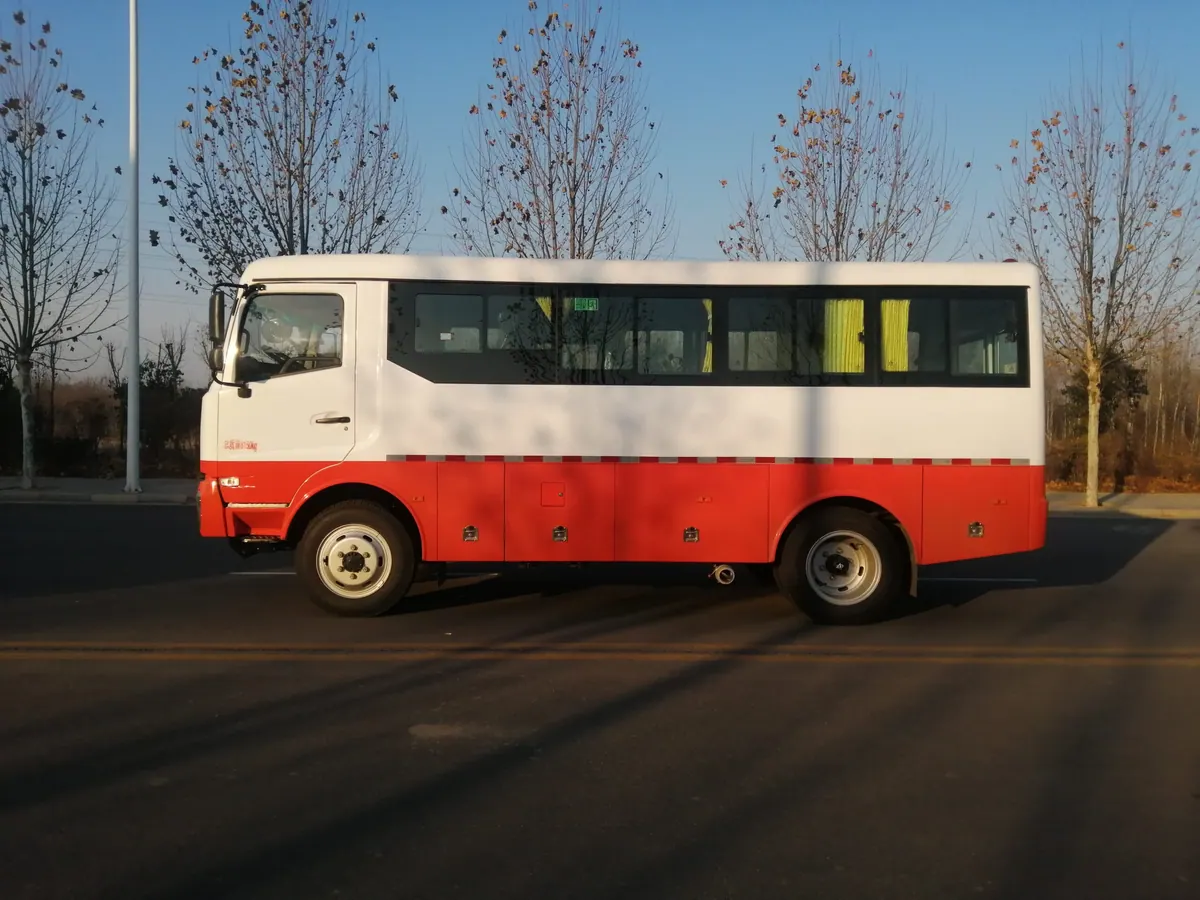
Set one technical baseline before requesting prices
Provide the intended instrument program, selected line requirements, acquisition outputs and carrier information. Ask bidders to identify any missing inputs affecting their offer. The baseline should state which equipment is included and which the purchaser supplies. Without that schedule, commercial totals may compare a basic recording vehicle, a deployment truck and a wider wellsite package as though each provides the same functions and readiness.
Separate base equipment from optional scope
Request identifiable line items for the carrier, installed deployment equipment, measurement system, acquisition hardware and software, power and cabin arrangement. Show tools, external pressure-control equipment and surface process packages separately where relevant. A bundled price may be acceptable, but its boundaries must remain clear. Ask which options alter the base configuration and what additional integration or verification work they require rather than treating every catalogue feature as included.
Include access and deliverable costs
Review software licences, output access, required workstations, instrument interfaces and training or documentation explicitly offered. Ask whether using the supplied records after delivery requires additional paid services. Do not assume an acquisition screen includes every export format or perpetual access arrangement. Keep these terms alongside the technical response so procurement can compare the complete usable data path instead of discovering essential commercial dependencies during commissioning.
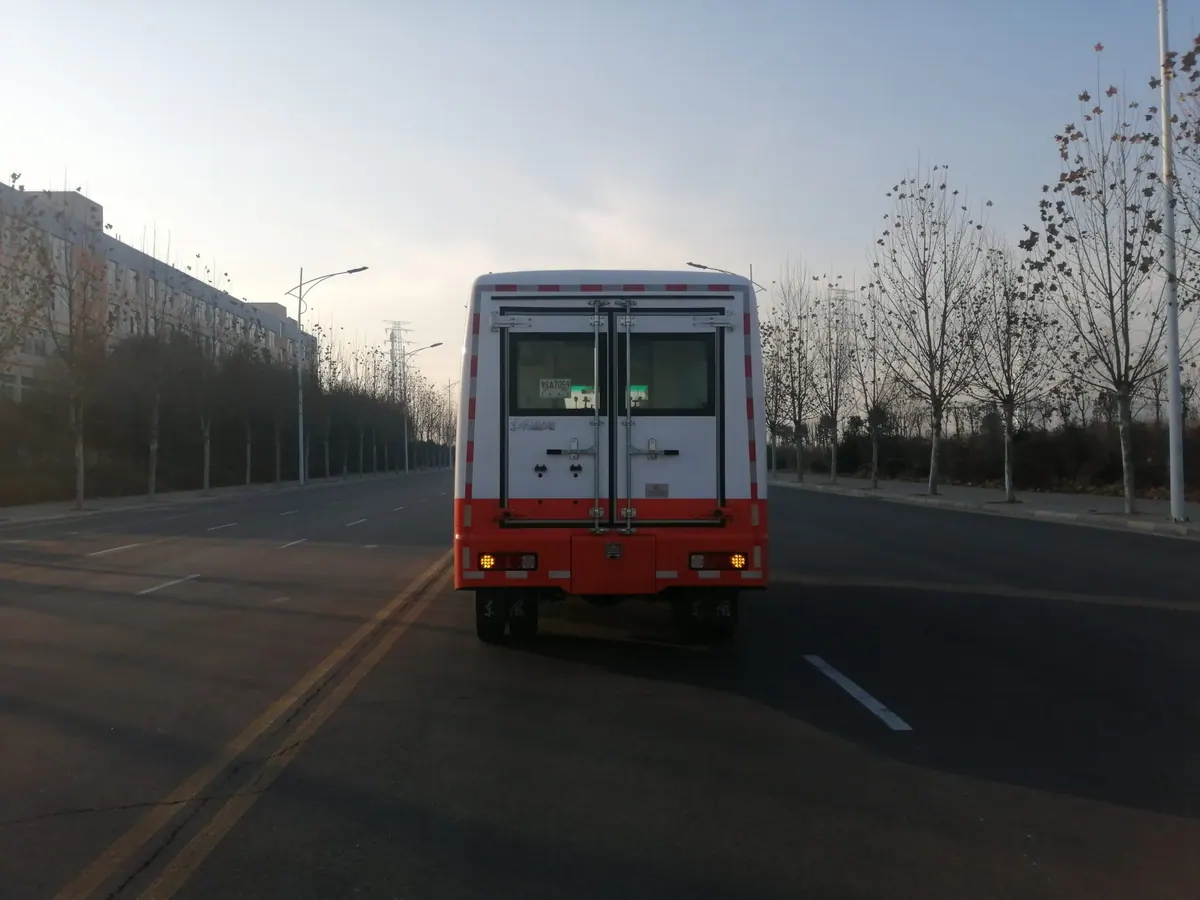
Align shipping and acceptance responsibilities
Use agreed delivery and trade terms with the actual shipment condition and destination responsibilities. Separate factory checks, third-party work if required, site acceptance, import tasks and local services. A quoted shipping price is not automatically a complete landed and accepted project cost. Ask the responsible specialists to identify purchaser-side expenses and uncertain items, using current project quotations rather than an invented universal cost multiplier.
Record deviations before ranking offers
Prepare a comparison showing compliant items, exclusions, alternatives and unresolved assumptions. Obtain written clarifications and price adjustments where scope differs. The lowest initial total may still be appropriate, but only if the purchaser understands what additional equipment or work is required. Retain the accepted commercial and technical baseline together so a later change in tools, interfaces or destination can be assessed transparently rather than disputed against a broad product description.
Build ownership costs from the chosen configuration
Estimate consumables, calibration, maintenance, software access and local support using the actual supplied equipment and campaign plan. Ask for the assumptions behind supplier estimates and obtain destination-specific quotations where needed. Do not assign a universal purchase price, payback period or operating saving to the product category. A defensible comparison shows which costs are quoted, which are purchaser estimates and which remain uncertain. It also makes clear that a test truck price does not include every external intervention, flow-testing or effluent-handling service unless the accepted equipment and responsibility schedules explicitly say so.
Put these items side by side in the bid review
| Purchase item | Question to resolve | Evidence to request |
|---|---|---|
| Base | Are the offered functions equivalent? | Reconciled equipment schedule |
| Access | What is needed to use the data? | Software and deliverable terms |
| Total | Which costs remain purchaser scope? | Documented commercial comparison |
Suggested wording for the quotation request
Submit a technical and commercial offer against the attached test-truck baseline. Identify included equipment, instruments, deployment and acquisition interfaces, software rights and verification scope. Price alternatives separately and list exclusions and purchaser services. State delivery terms, documentation and acceptance responsibilities. Provide assumptions behind operating-cost information without treating preliminary estimates or external wellsite services as guaranteed elements of the truck price.
Select the truck from the instrument deployment and measurement assignment, not from the words well testing alone. Confirm the line and tool combination, depth and load basis, acquired signals, power arrangement and operator workspace. External well-control equipment, surface separation and flow handling require their own agreed supply and acceptance boundaries. A vehicle photograph does not prove installed accessories or universal downhole-tool compatibility. Retain the accepted equipment schedule, interface drawings, calibration evidence and operating documents with the purchase. Actual field work requires approved procedures and competent personnel.
For the wider equipment scope, consult the Test Well Truck: Price and Cost Guide. Use the RFQ checklist to collect the supporting documents before requesting a configuration-specific quotation.
Buyer questions
Can a standard price be assigned to every test truck?
No. Configuration, instruments, interfaces, destination and commercial scope must be defined.
Should software and data-access terms enter the price comparison?
Yes. They can affect whether the supplied acquisition system is usable after delivery.
Background and supplier contact
ICC Incoterms® resources offers related background, not certification of the equipment in a quotation. Applicability must be checked for the project and destination.
Explore the test well truck, browse all technical resources, or visit Vance Petroleum for company information. Request a test-truck proposal with the tool program, line selection, required measurements, site interfaces and destination.