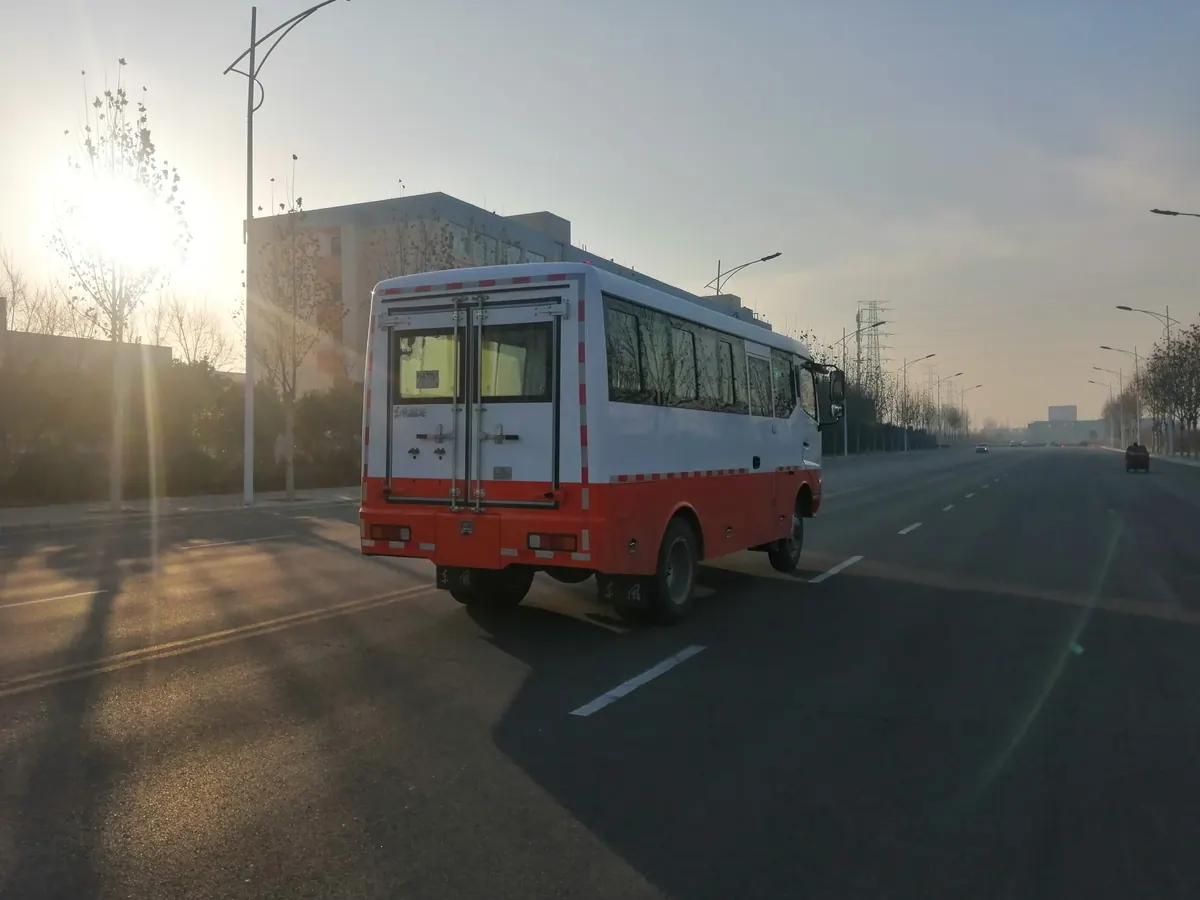
Agree the configuration under test
List the carrier installation, deployment equipment, measurement components, acquisition system and power arrangement covered by the factory plan. Identify purchaser tools and external equipment that will be present. Ask what substitutes or simulated signals are proposed where actual items are unavailable. The test record should identify the demonstrated configuration, not leave the purchaser to infer that a reference build or unrelated instrument represents the equipment being ordered.
Translate requirements into observable checks
Have the responsible supplier and purchaser reviewers agree appropriate checks for the accepted functions. Include equipment identity, installation, indications, record outputs and relevant interfaces without prescribing an unsafe generic load or pressure procedure. A useful plan states what evidence will be obtained and how acceptance is judged. Keep inspection of workmanship separate from functional demonstration and from measurement calibration, because each addresses a different part of the purchase requirement.
Distinguish actual and simulated interfaces
Ask which instrument signals, mechanical interfaces and operating conditions are represented by actual equipment. Record the purpose and limitations of simulated inputs. A recorder accepting a test signal can support an interface check but does not prove the field performance of an absent downhole instrument. Similarly, local winch operation does not verify external pressure-control equipment. Preserve those distinctions in the acceptance report and the list of remaining checks.
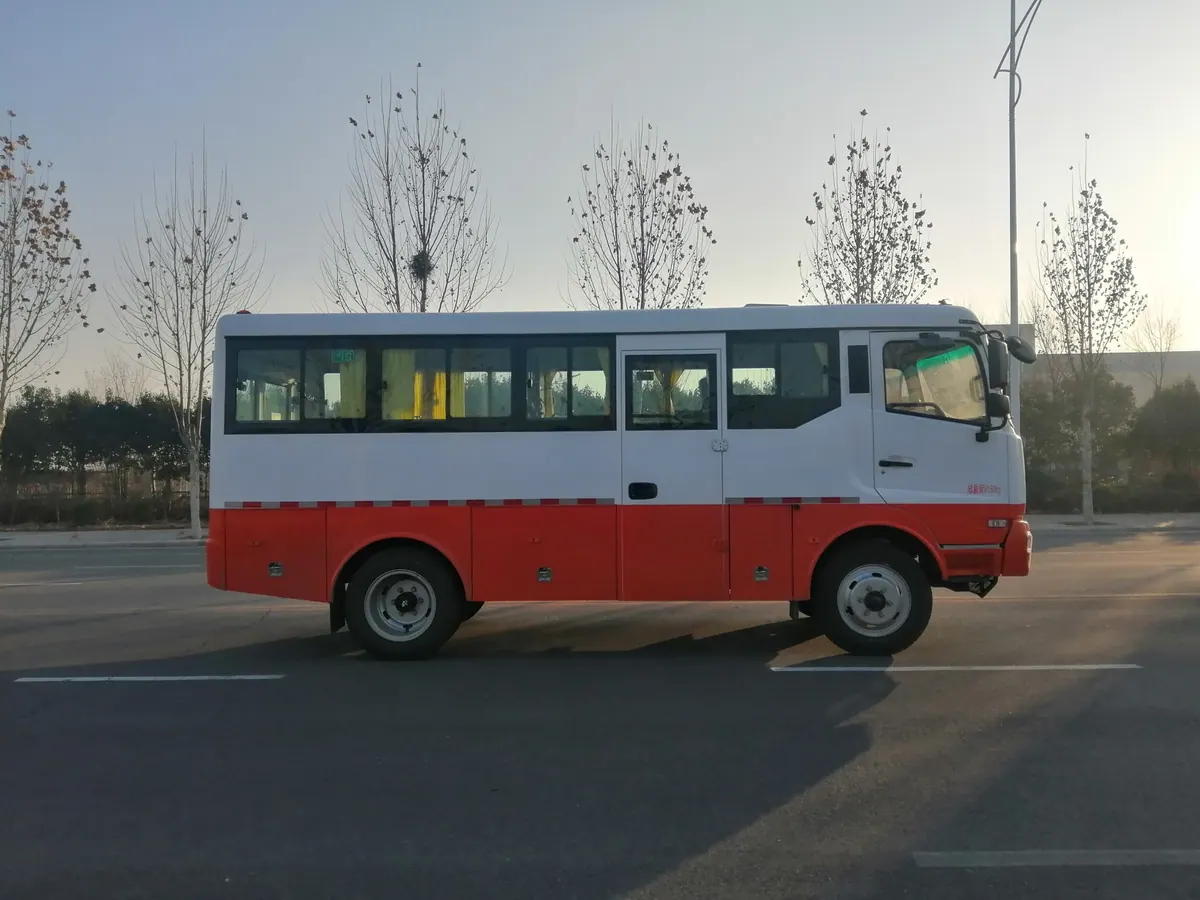
Review records as part of the demonstration
Require representative depth, time and channel outputs where included in the purchase. Ask the receiving team to check units, identifiers and access using the agreed software and formats. A successful display alone may leave export or alignment requirements unresolved. Keep the original demonstration files with the report and identify settings relevant to interpretation so the evidence remains useful after equipment shipment and staff handover.
Close deviations with traceable evidence
Record each open issue, responsible party and agreed resolution path. Distinguish changes requiring a repeated check from documentation corrections and site-dependent work. Do not mark the entire package ready merely because the vehicle is complete or a test was attended. Preserve the accepted configuration, results and outstanding commissioning requirements together, so shipment and later site acceptance occur against an explicit technical and commercial baseline.
Do not turn a factory visit into a field guarantee
The supplier works may not reproduce the actual well, external pressure equipment or complete instrument program. State those boundaries before testing and agree which evidence is sufficient for shipment versus site readiness. Ask how changes after the demonstration will be controlled and documented. The goal is a configuration-specific acceptance record that the receiving team can use, not a broad certificate implying every future survey, climate condition or tool combination has been proven. A well-defined factory plan makes unresolved dependencies visible while avoiding invented test procedures or unsupported claims about field measurement outcomes.
Put these items side by side in the bid review
| Purchase item | Question to resolve | Evidence to request |
|---|---|---|
| Identity | Which equipment is demonstrated? | Accepted configuration list |
| Method | Actual equipment or simulated input? | Defined check and limitation |
| Closure | What remains before site use? | Deviation and commissioning register |
Suggested wording for the quotation request
Provide a factory acceptance proposal for the purchased test-truck configuration. Identify inspection, installed functions, measurement records and data-export checks. List actual purchaser equipment, simulations and external interfaces outside the demonstration. Agree acceptance evidence and deviation closure with the responsible reviewers. Preserve original output files and state the site checks still required before the truck is accepted for the intended program.
Select the truck from the instrument deployment and measurement assignment, not from the words well testing alone. Confirm the line and tool combination, depth and load basis, acquired signals, power arrangement and operator workspace. External well-control equipment, surface separation and flow handling require their own agreed supply and acceptance boundaries. A vehicle photograph does not prove installed accessories or universal downhole-tool compatibility. Retain the accepted equipment schedule, interface drawings, calibration evidence and operating documents with the purchase. Actual field work requires approved procedures and competent personnel.
For the wider equipment scope, consult the Test Well Truck: FAT Checklist. Use the RFQ checklist to collect the supporting documents before requesting a configuration-specific quotation.
Buyer questions
Does a simulated instrument input prove downhole performance?
No. It can demonstrate a defined interface, with limitations recorded explicitly.
Is factory acceptance the same as site readiness?
Not necessarily. External interfaces and site-dependent checks may remain outstanding.
Background and supplier contact
NIST metrological traceability background offers related background, not certification of the equipment in a quotation. Applicability must be checked for the project and destination.
Explore the test well truck, browse all technical resources, or visit Vance Petroleum for company information. Request a test-truck proposal with the tool program, line selection, required measurements, site interfaces and destination.