Start from the delivered equipment list
Request the identities of installed deployment, hydraulic, measurement, acquisition, power and cabin components. Include purchaser-supplied items in the review while preserving their separate responsibilities. A spares list prepared for another build may omit important interfaces or include parts that do not fit. Ask the supplier to connect recommended items to the actual configuration and explain whether they are included in the truck price or offered separately.
Use the campaign and service conditions
Provide planned utilization, destination conditions, transport pattern and available maintenance resources. Ask what information the supplier needs to recommend consumables and support items. Do not invent a fixed replacement interval for every line system, instrument or power package. Recommendations should follow the relevant equipment documents and actual duty. Keep inspection, calibration and component replacement distinguishable so procurement does not treat every future service requirement as a box of mechanical spare parts.
Check compatibility and identification
Ask for unambiguous descriptions and relevant part references for the proposed items. Confirm which substitutions require approval and how the supplier will handle equipment changes before shipment. An apparently common seal, connector or electronic module may depend on the selected configuration. Preserve the identification documents with the spares package so local personnel can request the correct item without relying on a photograph or a broad truck model name.
Review destination support as a commercial scope
Ask for available parts supply routes, technical contacts and service arrangements for the destination. Request specific terms rather than assuming global immediate support. Separate supplier commitments from third-party availability and purchaser logistics. The initial stock decision should reflect the accepted campaign and procurement constraints, using actual quotations and lead-time information when available instead of a universal promise that every instrument or vehicle component will always be held locally.
Prepare a usable handover and change process
Agree how operating documents, service information, configuration records and relevant software access will be delivered. Ask how the purchaser obtains technical review after a component replacement or instrument change. Keep a record of supplied spares and any preservation requirements from the responsible provider. Maintenance readiness means identifiable equipment and support responsibilities, not authorization for untrained personnel to repair pressure equipment or alter controls outside approved procedures.
Evaluate spares by function and consequence
Have the responsible operations team identify the effect of losing a particular function and the resources available to restore it. Discuss the supplier recommendation against that assessment, with attention to acquisition access, calibration needs and specialized interfaces as well as mechanical parts. A large generic spares box is not necessarily a useful campaign package. The accepted agreement should show what is supplied, why it relates to the chosen truck and how further support is obtained, without guaranteeing uptime, response times or interchangeable parts for every future configuration and destination.
Put these items side by side in the bid review
| Purchase item | Question to resolve | Evidence to request |
|---|---|---|
| Configuration | Which installed item uses the spare? | Linked equipment and part schedule |
| Campaign | What service basis supports the recommendation? | Duty and resource review |
| Support | Who supplies parts at destination? | Confirmed commercial arrangements |
Suggested wording for the quotation request
Recommend an initial spares and support package for the attached truck configuration and campaign plan. Link each item to installed equipment and distinguish consumables, calibration, software and specialist service requirements. State included quantities and commercial options, identification documents, destination support and preservation information. Disclose substitutions requiring approval and avoid unsupported universal service intervals, stock availability or response-time commitments.
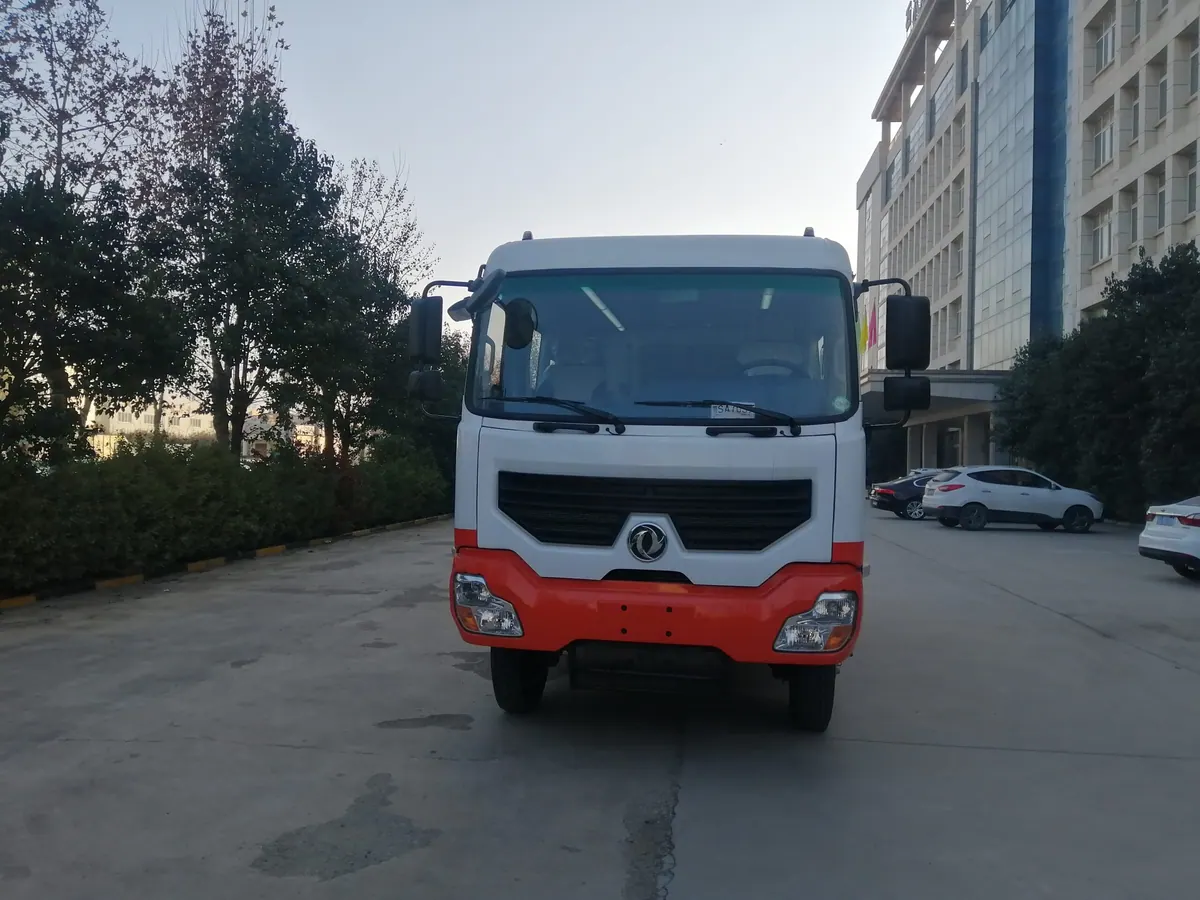
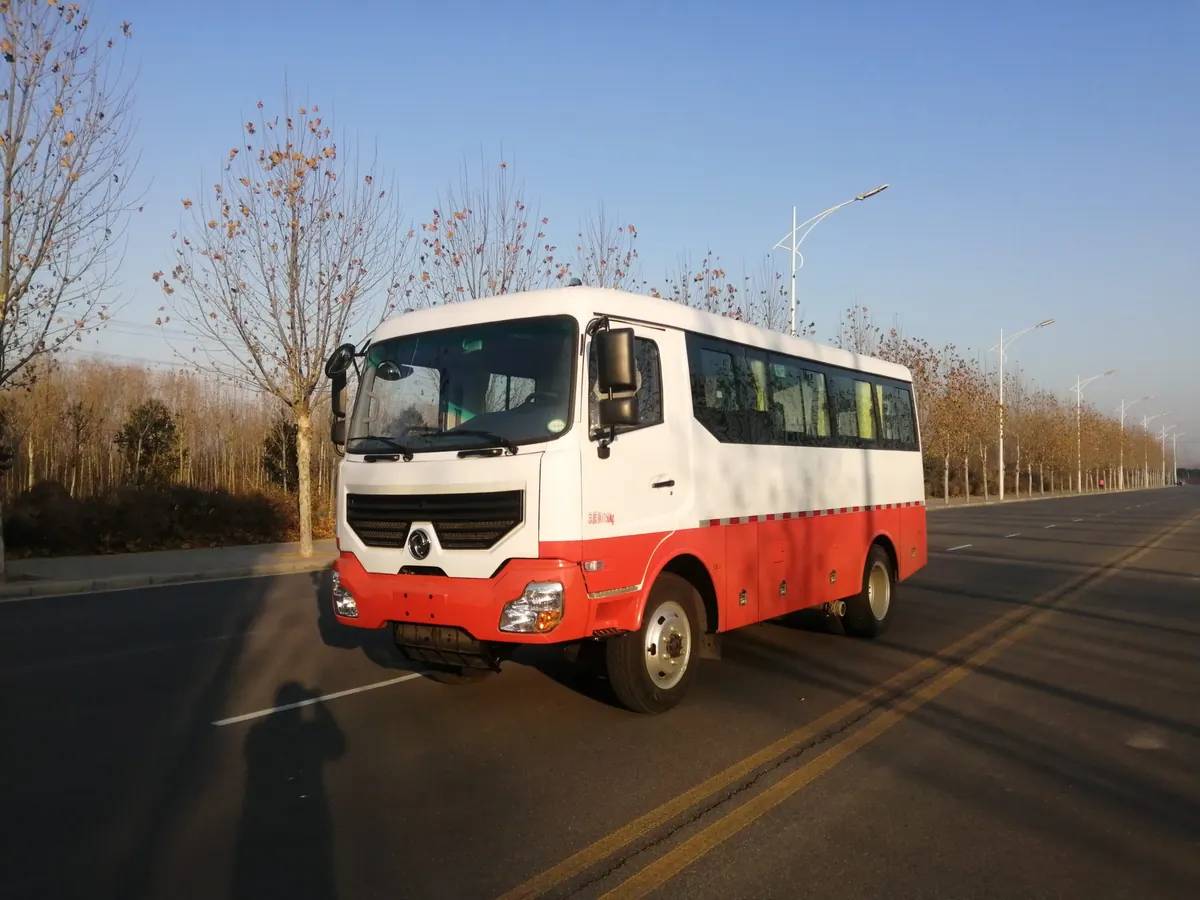
Select the truck from the instrument deployment and measurement assignment, not from the words well testing alone. Confirm the line and tool combination, depth and load basis, acquired signals, power arrangement and operator workspace. External well-control equipment, surface separation and flow handling require their own agreed supply and acceptance boundaries. A vehicle photograph does not prove installed accessories or universal downhole-tool compatibility. Retain the accepted equipment schedule, interface drawings, calibration evidence and operating documents with the purchase. Actual field work requires approved procedures and competent personnel.
For the wider equipment scope, consult the Test Well Truck: Maintenance Guide. Use the RFQ checklist to collect the supporting documents before requesting a configuration-specific quotation.
Buyer questions
Is a generic truck spares list sufficient?
No. Match recommendations to the final installed configuration and campaign requirements.
Should software and calibration support enter ownership planning?
Yes. They may be necessary to maintain the usability of the measurement and acquisition package.
Background and supplier contact
OSHA oil and gas extraction guidance offers related background, not certification of the equipment in a quotation. Applicability must be checked for the project and destination.
Explore the test well truck, browse all technical resources, or visit Vance Petroleum for company information. Request a test-truck proposal with the tool program, line selection, required measurements, site interfaces and destination.