Identify the actual gauge program
List the proposed gauges, intended measurements and campaign requirements through the responsible well-services team. Provide manufacturer documents for dimensions, connections, environmental suitability and data retrieval. The truck supplier should evaluate identified instruments rather than a generic family name. Where the purchaser has not selected tools, request a preliminary interface envelope and retain that qualification until the actual models and program are accepted.
Review deployment and handling requirements
Ask how the accepted tool string is handled, connected and deployed using the proposed line arrangement. Identify external handling and pressure-control equipment separately. Tool mass and size can affect more than storage space; the complete arrangement requires a competent review. Do not assume that an instrument which fits inside the vehicle is suitable for the proposed well program or supported by the installed winch and line equipment.
Specify the download and preparation scope
Request a list of readers, connectors, workstations, software and other items needed to prepare and retrieve the gauge records. Ask which are included with the truck, supplied with the instruments or provided by the purchaser. A memory-tool program may not require live downhole telemetry, but it still needs a usable data path after retrieval. Keep software access and device compatibility explicit before comparing quoted package prices.
Define how records retain their identity
Ask how tool identity, run information, time basis and the relevant depth records are associated with the downloaded files. Provide the receiving team’s requirements for file format and interpretation. A folder of exported values without consistent identifiers can be difficult to reconcile with the deployment record. Request a representative workflow demonstration that preserves the distinction between original tool data, processed output and manually entered campaign information.
Agree acceptance around the selected instruments
Identify checks possible at the supplier works and those requiring the actual gauges or purchaser equipment. Ask what test inputs are simulated and what compatibility evidence is configuration specific. Preserve the accepted interfaces and software versions with the handover documents. Changing to another gauge later should trigger a compatibility review rather than relying on a broad statement that all memory instruments can be used with the same vehicle.
Keep truck and tool responsibilities separate
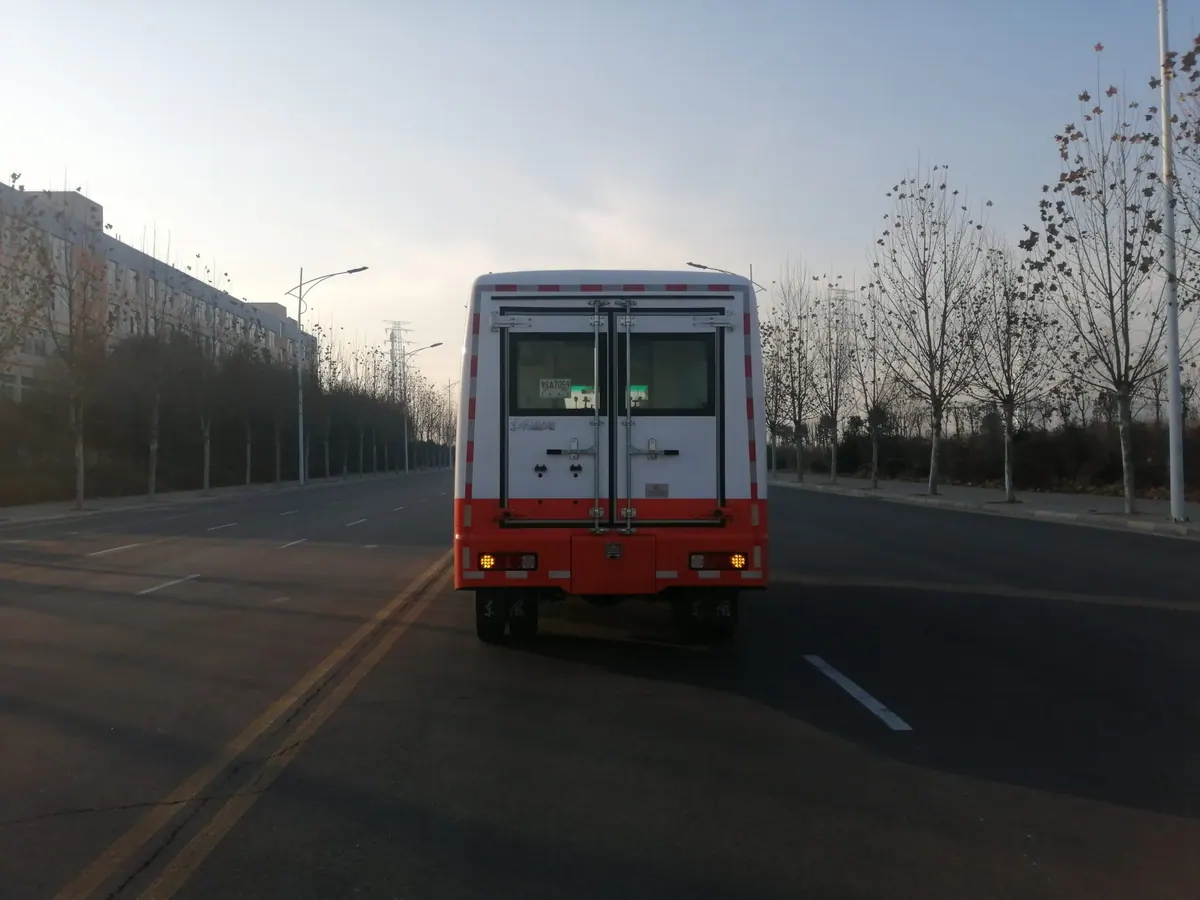
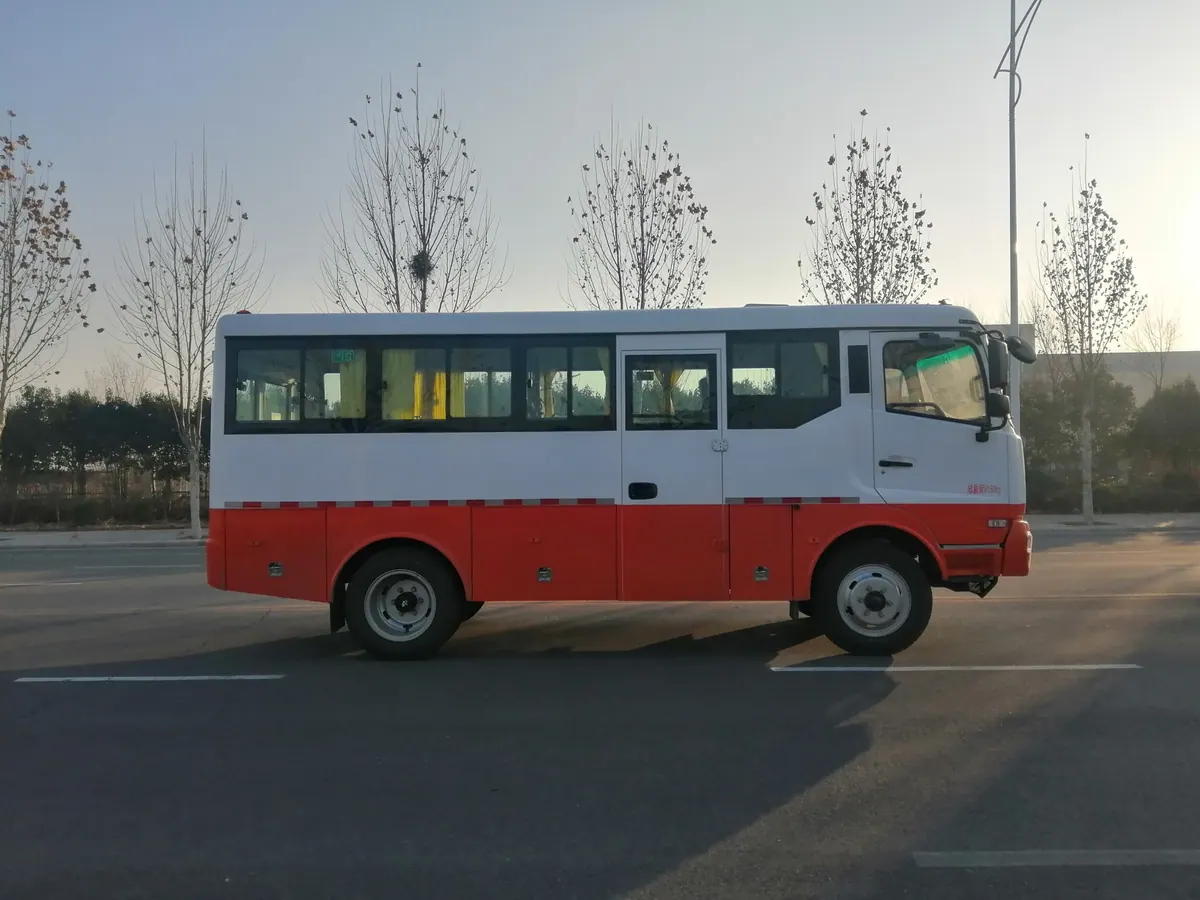
The gauge manufacturer normally provides important information about the instrument’s measurement and environmental limits, while the truck supplier responds for its own deployment and recording scope. Ask both parties to identify their interfaces and confirm who resolves any gap. Include preparation, transport, storage and data retrieval requirements in the purchase review where applicable. A suitable agreement shows how the chosen instruments can be used within the accepted arrangement; it does not turn a vehicle reference photograph into evidence of gauge performance or guarantee that every pressure and temperature survey will produce an interpretable result.
Put these items side by side in the bid review
| Purchase item | Question to resolve | Evidence to request |
|---|---|---|
| Tools | Which gauges are actually selected? | Model-specific interface documents |
| Data | What retrieves and identifies the records? | Reader and software schedule |
| Acceptance | Which equipment will be present? | Agreed compatibility demonstration |
Suggested wording for the quotation request
Assess the attached memory-gauge program for the proposed test truck. Identify supported tools, line and handling interfaces, external pressure equipment, readers, software and data-download scope. State supplied and purchaser-provided items separately. Propose configuration-specific acceptance checks and representative output records with tool, run and time identifiers. Flag missing information and any tool substitution requiring a revised review.
Select the truck from the instrument deployment and measurement assignment, not from the words well testing alone. Confirm the line and tool combination, depth and load basis, acquired signals, power arrangement and operator workspace. External well-control equipment, surface separation and flow handling require their own agreed supply and acceptance boundaries. A vehicle photograph does not prove installed accessories or universal downhole-tool compatibility. Retain the accepted equipment schedule, interface drawings, calibration evidence and operating documents with the purchase. Actual field work requires approved procedures and competent personnel.
For the wider equipment scope, consult the Test Well Truck: Compatibility Guide. Use the RFQ checklist to collect the supporting documents before requesting a configuration-specific quotation.
Buyer questions
Do memory gauges require real-time cable telemetry?
Not inherently. Confirm the selected tools and their actual preparation and download arrangements.
Does a compatible reader establish deployment compatibility?
No. Mechanical, line, handling and wellsite interfaces require their own assessment.
Background and supplier contact
NIST metrological traceability background offers related background, not certification of the equipment in a quotation. Applicability must be checked for the project and destination.
Explore the test well truck, browse all technical resources, or visit Vance Petroleum for company information. Request a test-truck proposal with the tool program, line selection, required measurements, site interfaces and destination.