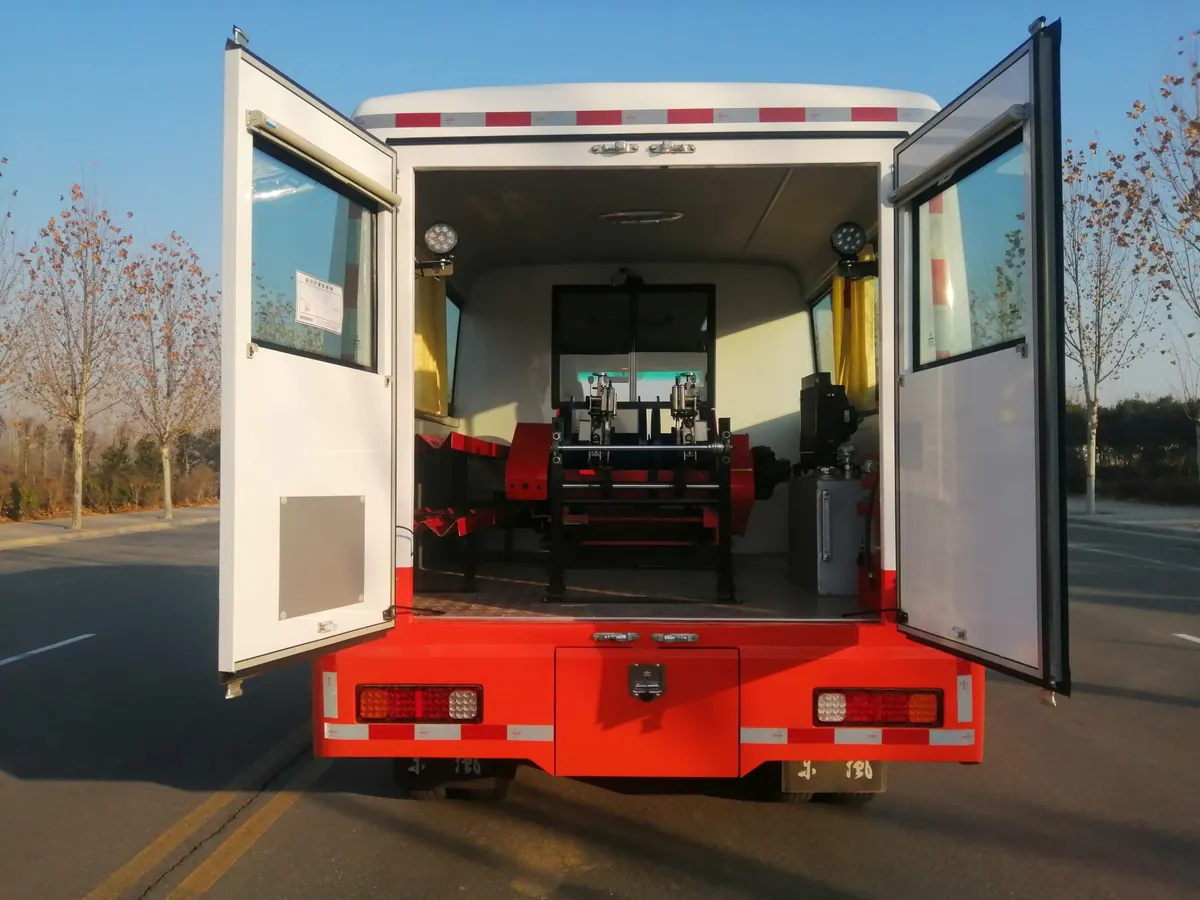
Provide the planned line and tool details
Send the selected line construction, nominal size, tool string information and intended well program to the bidder. Identify provisional inputs rather than asking the truck supplier to infer them from a target depth alone. Ask the competent well-services team to define the governing deployment and retrieval cases. The purchase specification should refer to the actual combination; capacity stated for another line cannot be transferred to the proposed program without supporting assessment.
Distinguish storage capacity from working capability
Request the drum capacity basis and the configuration used for any depth statement. Ask how the proposed drum, line arrangement and working limits relate to the intended assignment. Storage of a particular length does not itself establish acceptable line tension, control or retrieval capability throughout the run. Keep reserve and usable length assumptions explicit in the review, with the relevant supplier documents rather than an informal allowance chosen during bid evaluation.
Review load and control evidence together
Ask the winch supplier to describe supported load and speed conditions, braking arrangement and the indications available to the operator. Request restrictions associated with the accepted line and drum arrangement. Do not use a nominal pulling figure to justify recovering a stuck instrument or exceeding the approved program. The responsible team should define abnormal-event procedures independently; procurement should obtain the required equipment evidence without substituting a generic recovery instruction.
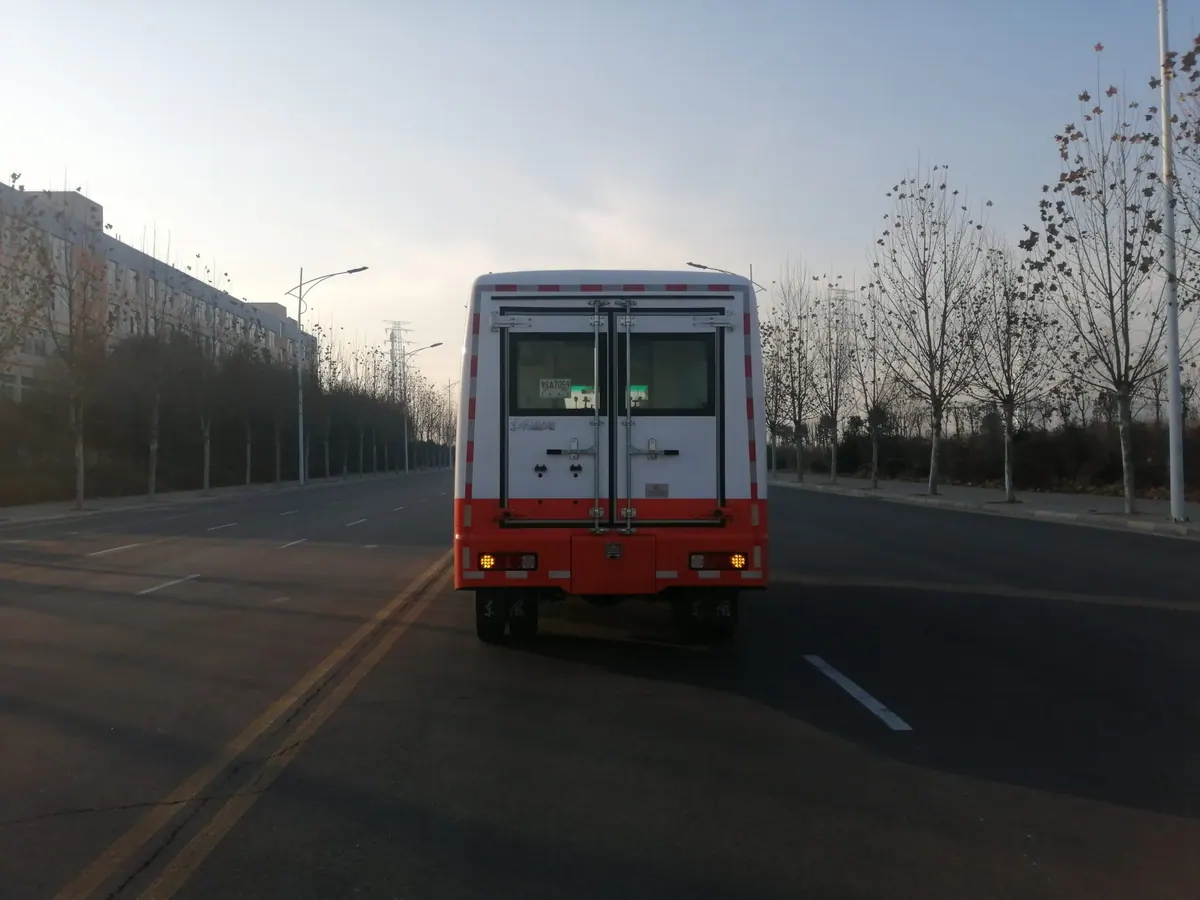
Check installed access and interfaces
Review the drum location, line path, guarding, operator visibility and service access in the proposed vehicle. Identify any external sheaves, supports or handling equipment and who supplies them. Ask for the installed arrangement rather than assessing a standalone winch catalogue only. The working layout needs to support the accepted method while maintaining the vehicle and equipment constraints; a component that fits physically may still require a different access or deployment arrangement.
Carry limitations into acceptance documents
Specify which equipment identities, inspections and functional demonstrations will substantiate the offered winch arrangement. Distinguish component evidence from checks performed after installation on the truck. Record the line basis, operating restrictions and required maintenance information in the handover set. Where the purchaser later changes line size or instrument program, request a revised assessment instead of continuing to rely on the original depth figure as a universal package rating.
Compare bids at the same deployment case
Ask bidders to respond to the same tool, line and working scenario, including the relevant range of drum conditions. Where an alternative is proposed, require the supplier to explain its effect on usable capacity, control, access and verification. Keep price adjustments linked to these technical differences. A larger drum or higher nominal pull is not automatically the more suitable purchase. The accepted configuration must support the actual survey program and its approved operating limits, while making clear that exceptional recovery work, external pressure equipment and unreviewed line substitutions are not authorized by the truck specification.
Put these items side by side in the bid review
| Purchase item | Question to resolve | Evidence to request |
|---|---|---|
| Line | What line supports the stated capacity? | Identified construction and size |
| Duty | Which working cases govern selection? | Reviewed load and control basis |
| Installation | How is the winch integrated? | Arrangement and acceptance records |
Suggested wording for the quotation request
Propose the installed winch and drum arrangement for the attached line, instruments and deployment cases. State the basis of depth and usable line capacity, supported working limits, braking and control scope, external line-path equipment and verification evidence. Disclose assumptions affecting selection and separate abnormal recovery duties from the approved instrument program. Include the installed arrangement and maintenance documentation in the offer.
Select the truck from the instrument deployment and measurement assignment, not from the words well testing alone. Confirm the line and tool combination, depth and load basis, acquired signals, power arrangement and operator workspace. External well-control equipment, surface separation and flow handling require their own agreed supply and acceptance boundaries. A vehicle photograph does not prove installed accessories or universal downhole-tool compatibility. Retain the accepted equipment schedule, interface drawings, calibration evidence and operating documents with the purchase. Actual field work requires approved procedures and competent personnel.
For the wider equipment scope, consult the Test Well Truck: Specs and Sizing. Use the RFQ checklist to collect the supporting documents before requesting a configuration-specific quotation.
Buyer questions
Does drum storage length establish working depth?
Not by itself. Confirm the line, usable length and accepted working conditions together.
Can the same winch rating be used for any line size?
No. Ask for an assessment of the actual line and drum configuration.
Background and supplier contact
OSHA oil and gas extraction guidance offers related background, not certification of the equipment in a quotation. Applicability must be checked for the project and destination.
Explore the test well truck, browse all technical resources, or visit Vance Petroleum for company information. Request a test-truck proposal with the tool program, line selection, required measurements, site interfaces and destination.