Start with the instrument architecture
Ask the tool provider to identify how the selected instrument receives power, stores measurements and communicates. Separate data recovered after retrieval from information transmitted during a run. The truck purchase should match that architecture rather than assuming every instrument needs the same line or recorder. Record the actual tool models and interface documents available for review, with unresolved choices clearly marked as preliminary inputs to the technical offer.
Request separate line-specific responses
If both slickline and electrical-line work are under consideration, ask the bidder to describe each supported arrangement independently. Identify the winch, drum, line handling and relevant connections proposed for each case. Do not infer electrical continuity or downhole telemetry from a hydraulic winch description. Likewise, a cable interface listed in a recorder catalogue does not establish that the installed truck supports every associated deployment and pressure-control requirement.
Check the complete data and power chain
Trace the measurement from the tool through any cable, interfaces and acquisition equipment to the deliverable. Ask which components and software are included, and which remain with the tool supplier or purchaser. Where a memory tool is used, identify the retrieval and data-download arrangements. Universal compatibility is not a substitute for a reviewed interface: mechanical connection, power, signal type and data interpretation can each require separate confirmation.
Review external equipment for the chosen method
Have the responsible well-services team identify the pressure-control, handling and site equipment required by the accepted line method. Obtain a supply boundary and interface response from the relevant providers. The truck specification cannot establish suitability of unlisted wellhead equipment or authorize changing the deployment method at site. Keep the procurement decision tied to an approved arrangement, with competent review of the actual well conditions and tool program.
Keep alternatives distinct in the order
Record the selected line system and the supported instruments in the accepted schedule. Show additional line methods as separate options with their dependencies, not as unspecified future capability. Agree evidence for installation and functional checks using the relevant interfaces. If a later program needs another tool architecture, reopen the technical review rather than assuming a software setting or adapter makes the original vehicle suitable for the new method.
Avoid buying an undefined universal truck
An offer that promises every logging and testing method may conceal important exclusions. Ask for a list of supported combinations and the evidence behind them. Compare the cost of the actual required arrangement before assigning value to speculative future work. Include interfaces, software access, tool-provider cooperation and external equipment in that comparison. The result should identify what the supplied truck can support now, what requires an additional reviewed package and what is outside its scope. This is more useful than a broad compatibility statement that leaves both deployment and measurement responsibilities unresolved until mobilization.
Put these items side by side in the bid review
| Purchase item | Question to resolve | Evidence to request |
|---|---|---|
| Tool | How are power and data handled? | Tool interface documentation |
| Line | Which arrangement is supported? | Separate method-specific proposal |
| Acceptance | What combination will be demonstrated? | Installed interface test scope |
Suggested wording for the quotation request
Quote the test truck for the attached tool architecture and selected line method. Identify deployment hardware, data and power interfaces, software and external dependencies. Respond separately to any slickline, electrical-line or memory-tool alternatives. List the combinations supported by the proposed configuration and explain the verification scope. Do not assume that shared vehicle space or a common winch establishes unrestricted interchangeability.
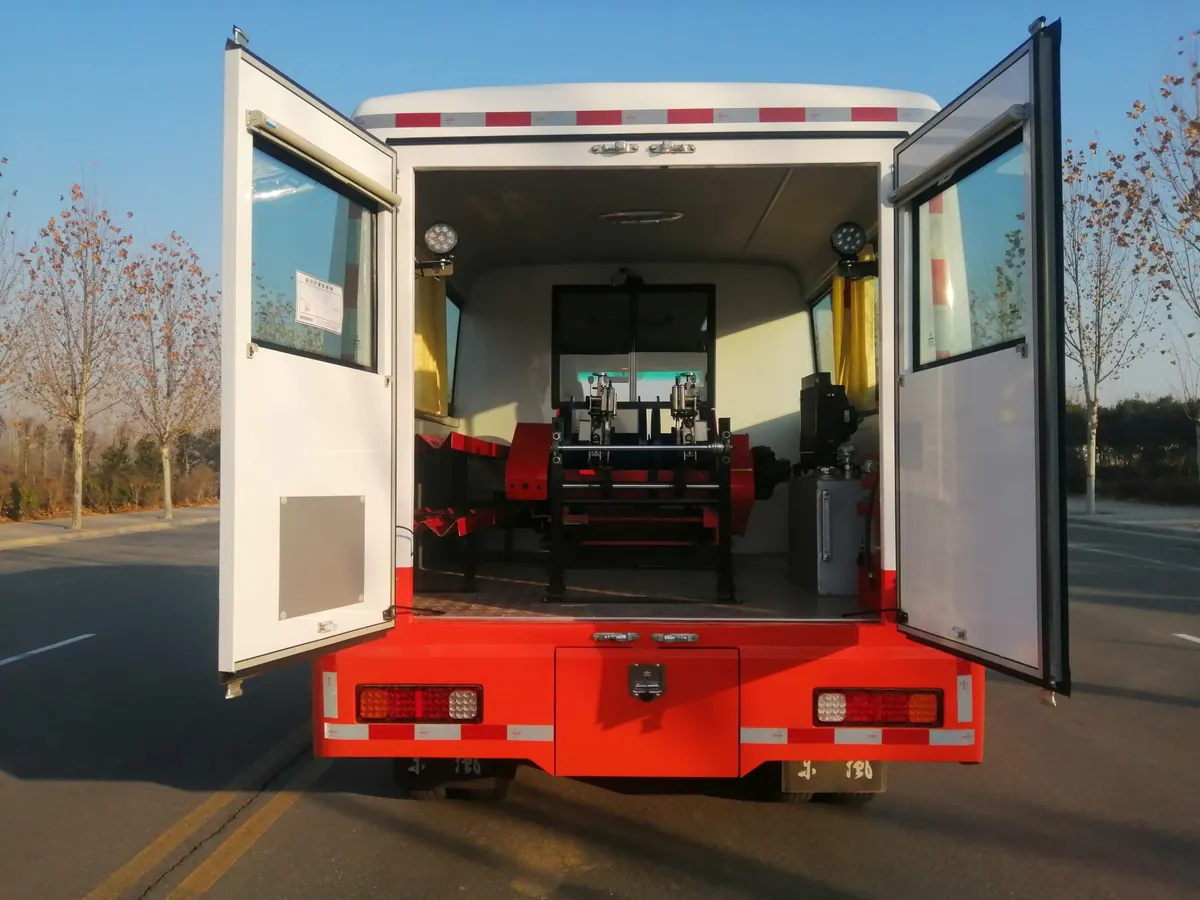
Select the truck from the instrument deployment and measurement assignment, not from the words well testing alone. Confirm the line and tool combination, depth and load basis, acquired signals, power arrangement and operator workspace. External well-control equipment, surface separation and flow handling require their own agreed supply and acceptance boundaries. A vehicle photograph does not prove installed accessories or universal downhole-tool compatibility. Retain the accepted equipment schedule, interface drawings, calibration evidence and operating documents with the purchase. Actual field work requires approved procedures and competent personnel.
For the wider equipment scope, consult the Test Well Truck: Configuration Guide. Use the RFQ checklist to collect the supporting documents before requesting a configuration-specific quotation.
Buyer questions
Does a winch imply real-time downhole telemetry?
No. Telemetry depends on the actual tool, line, interfaces and acquisition arrangement.
Should optional line methods be included in one broad claim?
No. Identify the equipment, restrictions and evidence for each proposed method.
Background and supplier contact
NIST metrological traceability background offers related background, not certification of the equipment in a quotation. Applicability must be checked for the project and destination.
Explore the test well truck, browse all technical resources, or visit Vance Petroleum for company information. Request a test-truck proposal with the tool program, line selection, required measurements, site interfaces and destination.