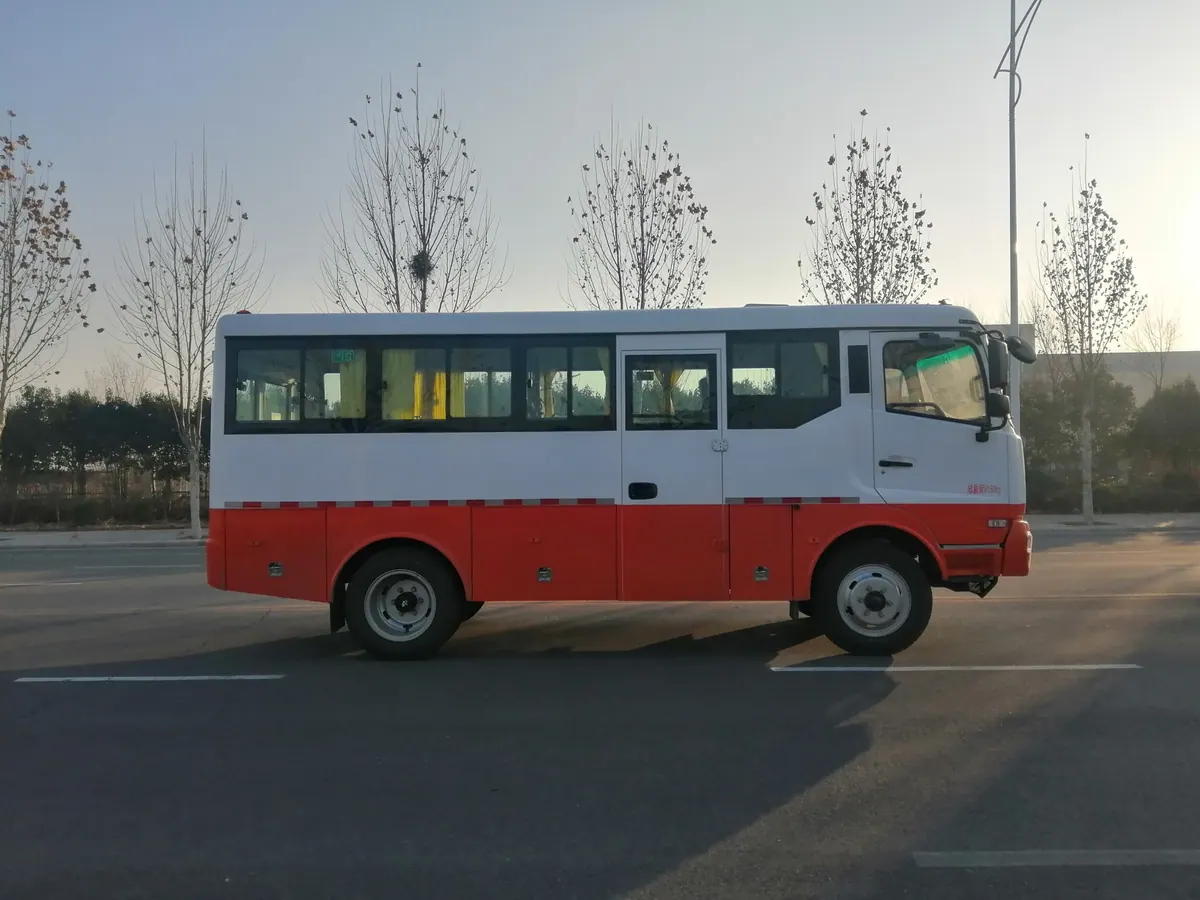
Describe the work performed inside the truck
List the operator tasks, equipment used and expected occupancy for the proposed campaign. Identify which actions occur at a workstation and which require access to deployment or external equipment. Ask the project team to define the working arrangement and destination requirements. The supplier can then respond with a layout matched to the actual program rather than a generic statement that the cabin is suitable for every extended well-testing assignment.
Request a scaled installed arrangement
Ask for workstation, cabinet, access and storage locations in the proposed vehicle. Include equipment supplied by the purchaser and the space required for its connections. A layout should show how personnel reach service points and exits without relying on empty reference photographs. Review the transport and working configurations separately where they differ. Additional instruments may require changes to mounting, cable routes or available workspace even when their nominal size seems small.
Review visibility and interaction with deployment
Identify which observations and controls the operator needs to see from the intended position. Ask how communication with the external crew is supported within the accepted program. A comfortable recording workstation does not automatically provide the visibility required for line handling. Keep local operating responsibilities and any external observation arrangements explicit, with review by the competent operations team rather than an assumption that one interior console controls the entire wellsite.
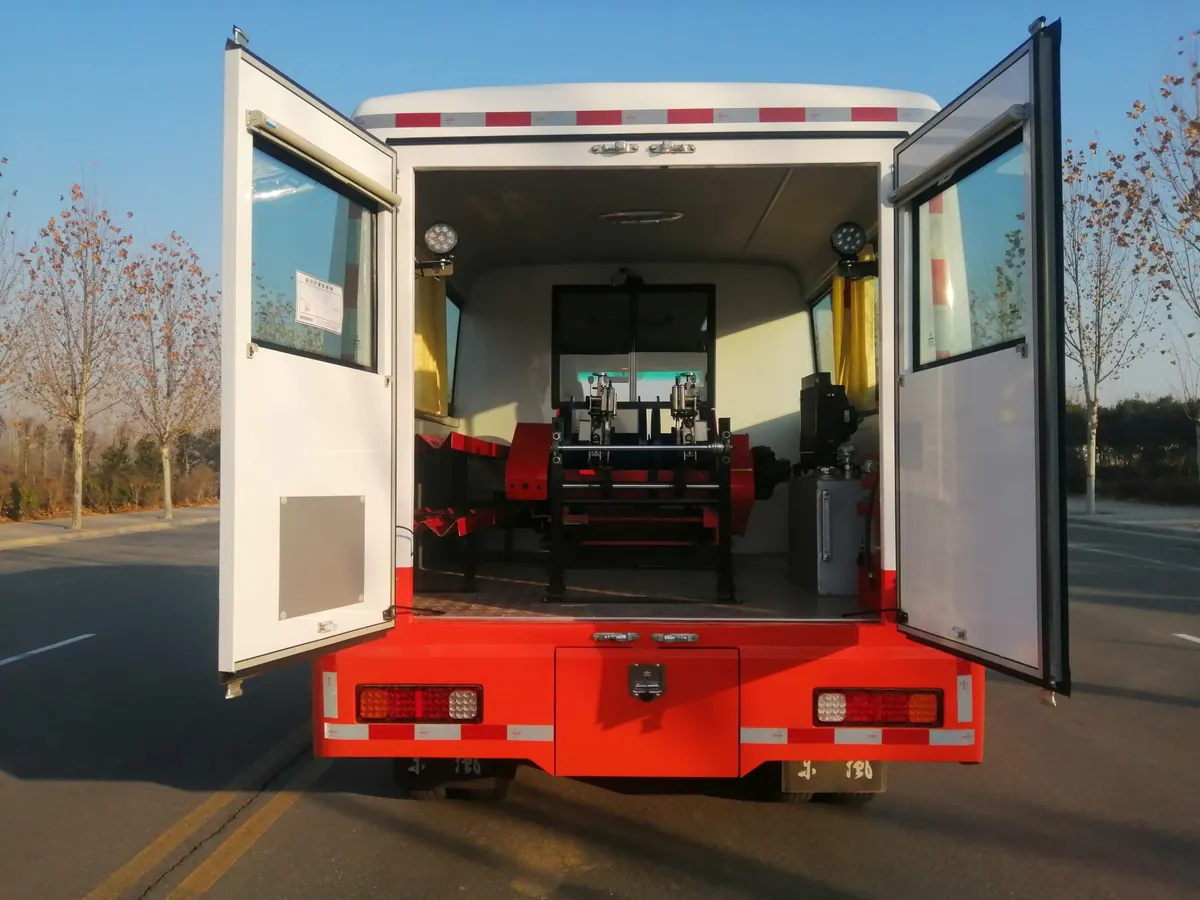
Define climate and electrical requirements
Provide expected ambient conditions, occupancy and the equipment heat contribution for the supplier review. Ask what ventilation or climate equipment is included and what power basis supports it. Do not turn a general air-conditioning statement into a universal hot- or cold-weather guarantee. Identify installation and destination constraints affecting electrical equipment or cabin use, and request configuration-specific evidence where a special environment or hazardous-area requirement applies.
Check the finished workspace before acceptance
Agree the installed equipment and access checks to be performed before shipment. Include the relevant purchaser equipment or representative dimensions where appropriate. Record outstanding site checks and any changes made after the layout was accepted. A later cabinet or workstation addition can alter access and working space; require review rather than treating unused floor area in an earlier drawing as unlimited future capacity.
Evaluate ergonomics without inventing approval
Have the responsible purchaser team review the proposed working positions, access and routine tasks against its own requirements and applicable destination rules. Request the supporting drawings and equipment details needed for that review. The supplier should explain the accepted arrangement and limitations, not claim that a cabin photograph proves every occupational or safety requirement. Compare proposals with the same occupancy and instrument list. This keeps workspace decisions connected to the actual deployment and measurement assignment while separating operator comfort, instrument installation and any project-specific protection measures into verifiable purchase items.
Put these items side by side in the bid review
| Purchase item | Question to resolve | Evidence to request |
|---|---|---|
| Tasks | What work occurs in the cabin? | Accepted task and occupancy basis |
| Layout | Is all installed equipment represented? | Scaled arrangement and access review |
| Climate | What conditions support the cabin rating? | Configuration-specific utility response |
Suggested wording for the quotation request
Provide the operator-cabin arrangement for the attached crew tasks, instruments and destination conditions. Identify workstations, cabinets, storage, access, visibility and communication scope. Include purchaser equipment interfaces and the power and climate basis. Propose installed-layout acceptance checks and list limitations, optional features and later changes requiring review. Separate cabin equipment from external deployment and wellsite-control responsibilities.
Select the truck from the instrument deployment and measurement assignment, not from the words well testing alone. Confirm the line and tool combination, depth and load basis, acquired signals, power arrangement and operator workspace. External well-control equipment, surface separation and flow handling require their own agreed supply and acceptance boundaries. A vehicle photograph does not prove installed accessories or universal downhole-tool compatibility. Retain the accepted equipment schedule, interface drawings, calibration evidence and operating documents with the purchase. Actual field work requires approved procedures and competent personnel.
For the wider equipment scope, consult the Test Well Truck: Commissioning Guide. Use the RFQ checklist to collect the supporting documents before requesting a configuration-specific quotation.
Buyer questions
Does a cabin image establish usable workspace?
No. Review the actual installed layout, tasks, access and equipment list.
Is climate control evidence of hazardous-area suitability?
No. Classification and equipment suitability require a separate project-specific assessment.
Background and supplier contact
OSHA oil and gas extraction guidance offers related background, not certification of the equipment in a quotation. Applicability must be checked for the project and destination.
Explore the test well truck, browse all technical resources, or visit Vance Petroleum for company information. Request a test-truck proposal with the tool program, line selection, required measurements, site interfaces and destination.