Define the intended monitoring function
Ask the well-services team which line-load information is required for the planned instrument work. Identify the quantity to be displayed or recorded and the decisions it supports under approved procedures. Avoid writing a generic pulling capacity as a monitoring requirement. The supplier should respond to the selected line and operating cases, with an explanation of the indications available and any equipment or information needed from the purchaser.
Identify the measurement components and range
Request the proposed sensor arrangement, equipment identities, supported measurement basis and calibration information. Ask where the measurement is taken and what installation conditions affect interpretation. A sensor catalogue range does not establish useful indication throughout the required assignment. Review the complete chain through signal processing, display and recording, including units and identification, rather than comparing only the number of digits visible on a panel.
Separate indication from protective action
Ask which functions only display a value, which raise an alarm and which act on the equipment. Obtain the proposed responsibility and verification scope for each. Do not assume a displayed limit automatically stops the winch or establishes a safe response to every abnormal event. The responsible engineering and operations teams should agree the required functions; procurement should make the offered behavior explicit without prescribing an unreviewed operating limit.
Review visibility and record access
Check the operator position, display readability and the relationship between tension, depth and other relevant information. Ask whether records can be retrieved in a usable format and how events are identified. A separate instrument may need additional interface work to correlate its output with the main acquisition file. Include that work in the proposal where required, instead of leaving the crew to reconcile unrelated timestamps after the campaign.
Agree evidence and handover restrictions
Request configuration-specific functional checks and calibration records appropriate to the supplied equipment. Identify what remains to be checked with the final line and site arrangement. Preserve limitations, maintenance instructions and the conditions that require technical review. The accepted indication system does not authorize stuck-tool recovery or exceptional pulling work; such activities require their own approved assessment and procedures beyond a routine instrument-deployment purchase.
Ask for a function-by-function comparison
Put the proposed sensor, indication, recording, alarm and control functions on separate lines in the bid review. Require each bidder to mark included equipment and explain dependencies. This prevents a proposal with a basic display from appearing equivalent to a differently instrumented package simply because both use the word monitoring. Keep supported measurement performance separate from winch working limits and from the operator response required by the well program. The accepted purchase should give the crew identifiable information and documented functions, without promising universal protection or treating an electronic display as proof of a complete safety system.
Put these items side by side in the bid review
| Purchase item | Question to resolve | Evidence to request |
|---|---|---|
| Measurement | Which line-load quantity is indicated? | Sensor and installed-system basis |
| Function | Display, alarm or automatic action? | Reviewed function schedule |
| Record | How is load linked to the run? | Identified time and depth output |
Suggested wording for the quotation request
Quote the line-tension indication arrangement for the attached tool and line program. Identify the sensor, display, recording path, calibration basis and any proposed alarm or control functions separately. State installation dependencies, verification evidence and operating restrictions. Include usable output records and distinguish equipment monitoring from winch capability and from any exceptional recovery duty outside the accepted program.
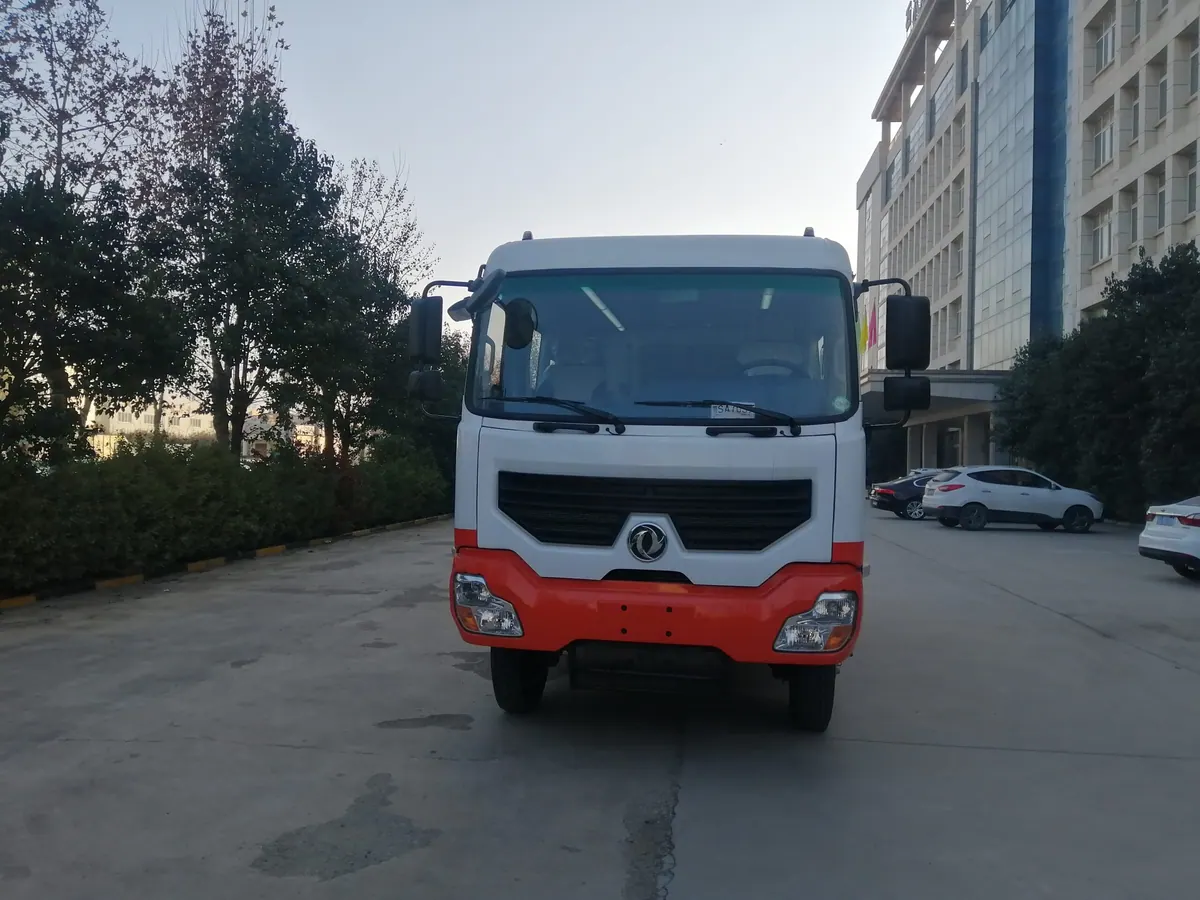
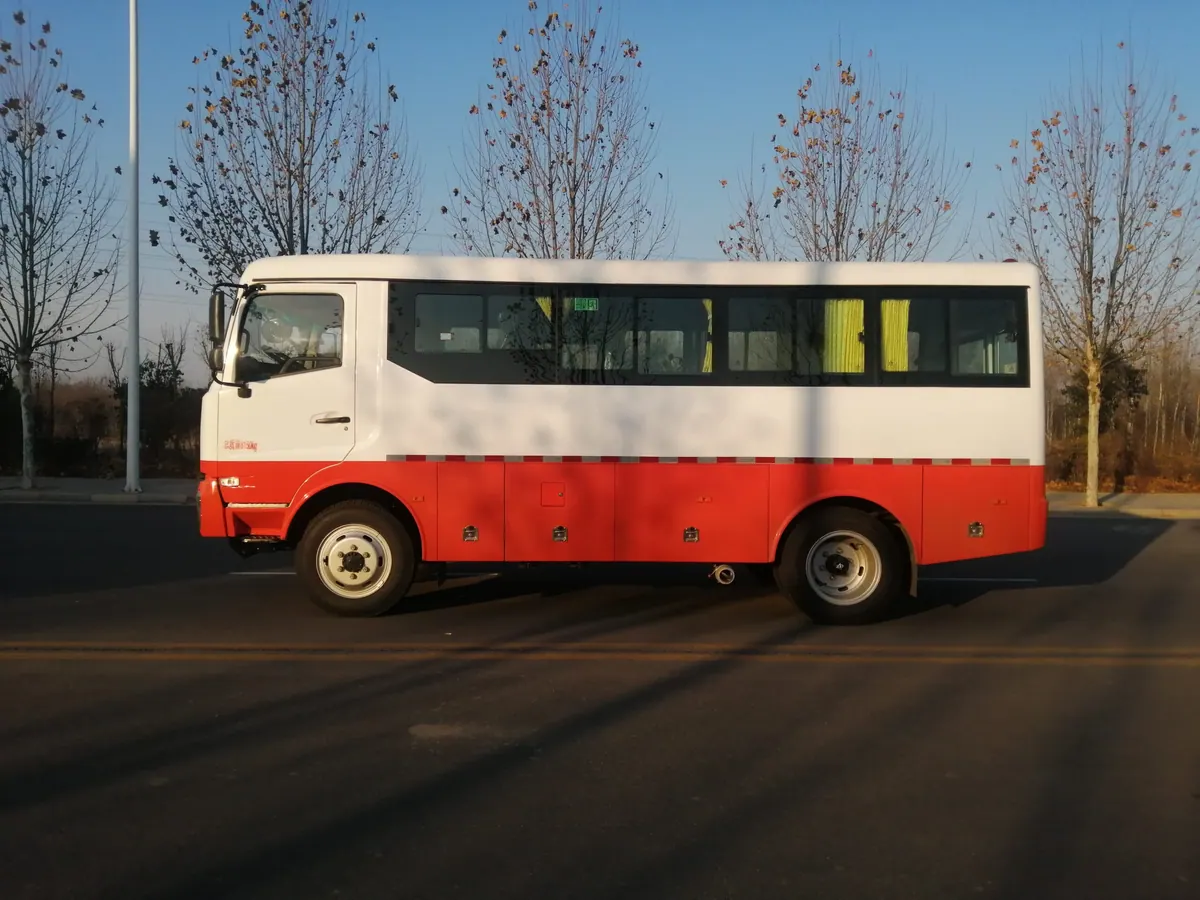
Select the truck from the instrument deployment and measurement assignment, not from the words well testing alone. Confirm the line and tool combination, depth and load basis, acquired signals, power arrangement and operator workspace. External well-control equipment, surface separation and flow handling require their own agreed supply and acceptance boundaries. A vehicle photograph does not prove installed accessories or universal downhole-tool compatibility. Retain the accepted equipment schedule, interface drawings, calibration evidence and operating documents with the purchase. Actual field work requires approved procedures and competent personnel.
For the wider equipment scope, consult the Test Well Truck: Safety Systems Guide. Use the RFQ checklist to collect the supporting documents before requesting a configuration-specific quotation.
Buyer questions
Does a tension display provide automatic protection?
Not necessarily. Confirm the actual alarm and control functions and their verification scope.
Does the measurement range establish permissible line load?
No. Working limits require the accepted line, winch and operating-program assessment.
Background and supplier contact
OSHA oil and gas extraction guidance offers related background, not certification of the equipment in a quotation. Applicability must be checked for the project and destination.
Explore the test well truck, browse all technical resources, or visit Vance Petroleum for company information. Request a test-truck proposal with the tool program, line selection, required measurements, site interfaces and destination.