Identify the hydraulically driven functions
Ask the bidder to list which supplied truck functions use hydraulic power and which rely on other sources. Provide the intended deployment cases and relevant instrument and line information. The proposal should describe an actual installed system rather than a collection of unrelated component maxima. Separate optional functions and simultaneous requirements so the purchaser can see whether they are supported by the base arrangement or need a revised drive package.
Review the source and load relationship
Request the proposed power source, transmission of power to the hydraulic equipment and the supported working basis. Ask the responsible supplier to explain how the arrangement meets the accepted winch duty. Do not infer a pulling capability from pump pressure alone or combine independent maximum flow and pressure values into an assumed continuous duty. Keep any operating restrictions and external dependencies visible in the technical response.
Check cooling and environmental assumptions
Provide the expected ambient conditions and working duration for supplier assessment. Ask how the installed hydraulic arrangement is supported under those conditions and which documents substantiate the response. A nominal oil capacity or cooler size is not a complete thermal assessment. Identify maintenance and cleanliness requirements associated with the accepted components, with restrictions taken from the equipment documents rather than a universal fluid or service interval invented during procurement.
Separate controls from the operating program
Ask which local controls, indications and protective functions are included. Review their relationship to the accepted deployment arrangement and operator position. A hydraulic drive does not automatically supply every load-monitoring or emergency function required by a well program. The competent project team should define the required behavior and agree verification with the supplier, while the purchase documents make clear which functions are actually installed and which remain external responsibilities.
Obtain service and acceptance evidence
Request the installed hydraulic schematic, component identities, service access information and agreed functional checks. Ask what can be demonstrated at the factory and what remains dependent on the final line or site equipment. Preserve the approved configuration and limitations in the handover set. Later changes to loads, source equipment or environmental conditions require review instead of relying on the largest component nameplate as a universal installed-system rating.
Compare the hydraulic system at a common duty
Have each bidder answer the same deployment cases with the proposed source, drive, cooling and controls identified. List deviations and additional equipment before ranking prices. Include service access and availability of the selected consumables in the comparison, without assuming a common component brand guarantees support at the destination. The accepted purchase should explain how the installed arrangement supports the intended instrument work and how it will be checked. It should not promise unrestricted continuous operation, exceptional recovery capability or compatibility with any future winch merely because hydraulic power is available on the vehicle.
Put these items side by side in the bid review
| Purchase item | Question to resolve | Evidence to request |
|---|---|---|
| Function | Which loads use hydraulic power? | Tagged installed-function schedule |
| Duty | What working cases are supported? | Supplier system response |
| Handover | What identifies the installed arrangement? | Schematic and component records |
Suggested wording for the quotation request
Quote the hydraulic drive arrangement for the attached test-truck functions and deployment cases. Identify the source, drive components, cooling, controls and service provisions. State supported conditions and restrictions without combining independent component maxima. Provide the installed schematic, verification scope and maintenance documents. Separate optional loads, external equipment and any later change requiring a revised system assessment.
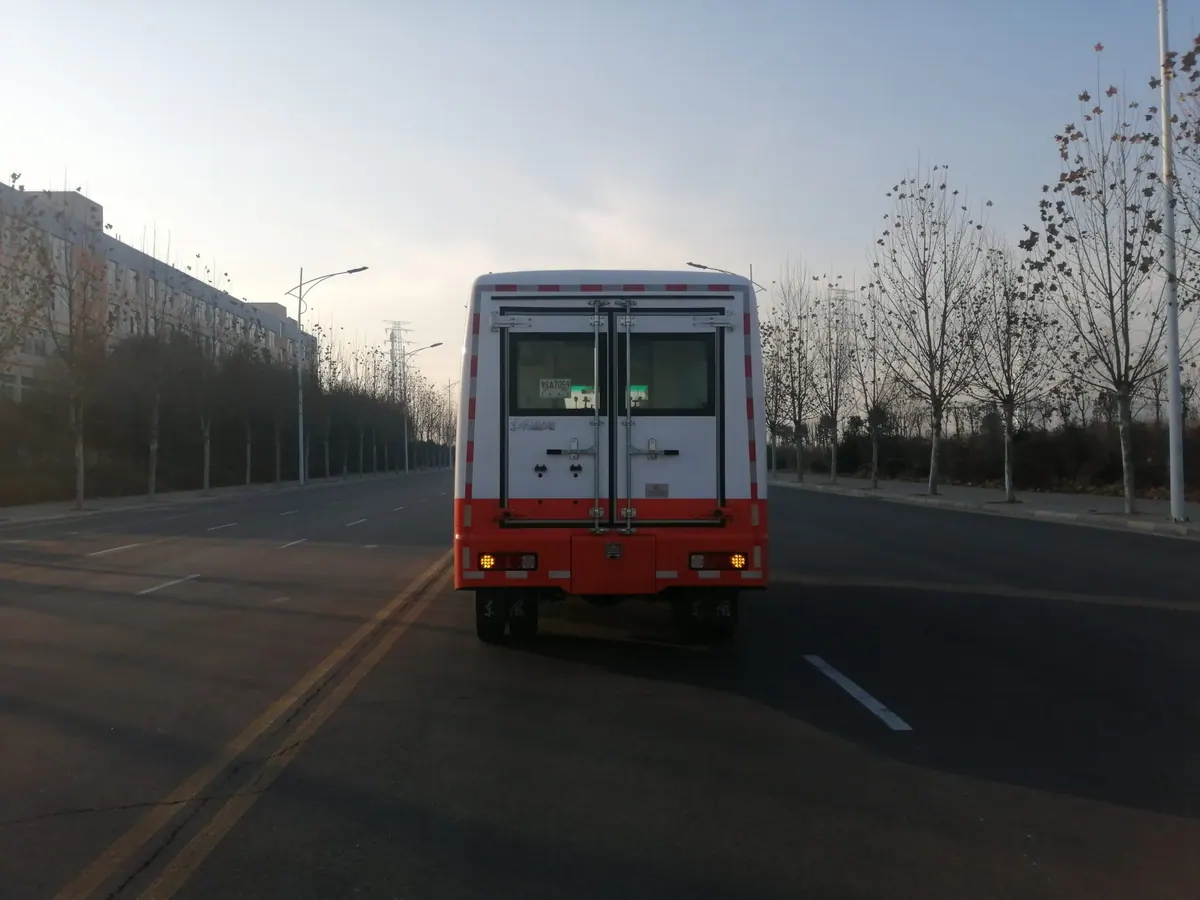
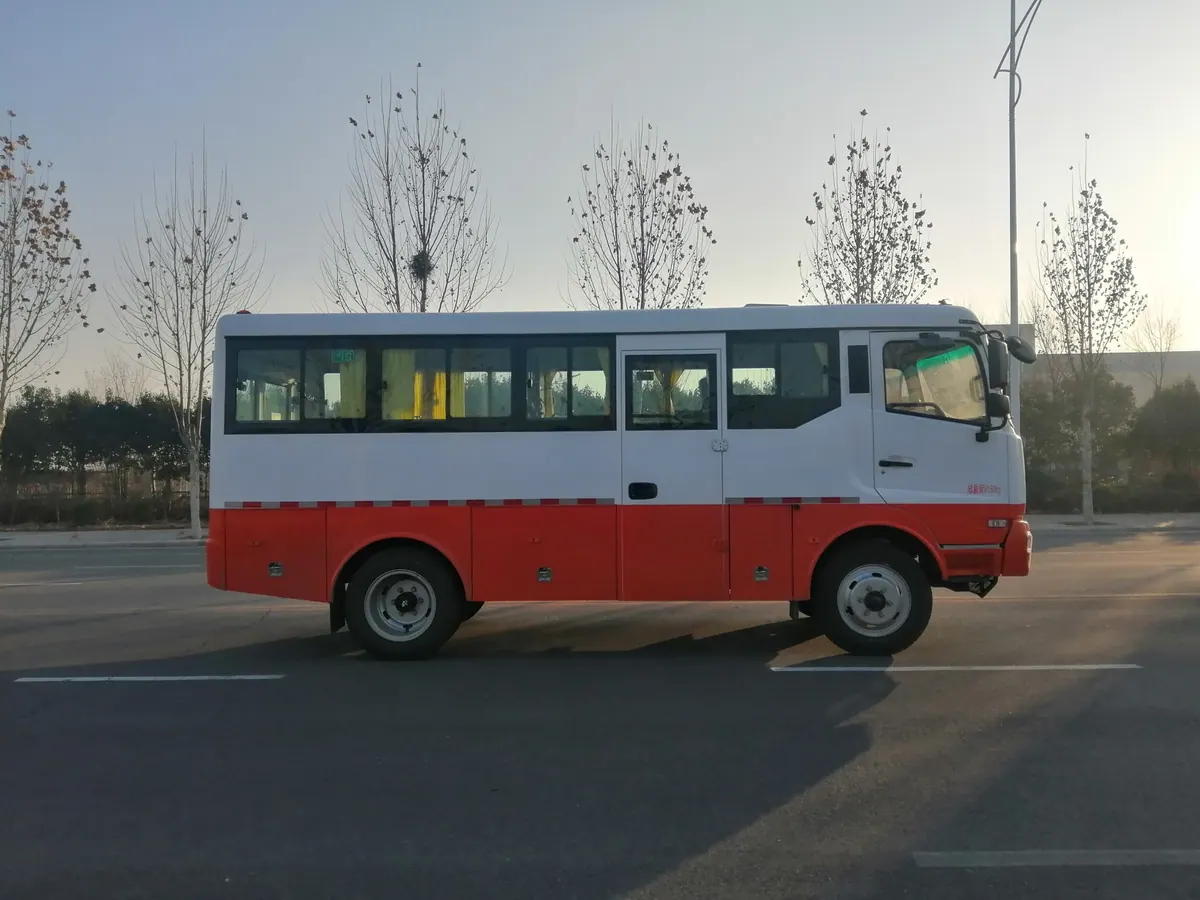
Select the truck from the instrument deployment and measurement assignment, not from the words well testing alone. Confirm the line and tool combination, depth and load basis, acquired signals, power arrangement and operator workspace. External well-control equipment, surface separation and flow handling require their own agreed supply and acceptance boundaries. A vehicle photograph does not prove installed accessories or universal downhole-tool compatibility. Retain the accepted equipment schedule, interface drawings, calibration evidence and operating documents with the purchase. Actual field work requires approved procedures and competent personnel.
For the wider equipment scope, consult the Test Well Truck: Maintenance Guide. Use the RFQ checklist to collect the supporting documents before requesting a configuration-specific quotation.
Buyer questions
Does hydraulic pump pressure establish winch capability?
No. Review the complete installed drive, winch and accepted working arrangement.
Should cooling be assessed from a component size alone?
No. Ask for the basis supporting the actual duty and environmental conditions.
Background and supplier contact
OSHA oil and gas extraction guidance offers related background, not certification of the equipment in a quotation. Applicability must be checked for the project and destination.
Explore the test well truck, browse all technical resources, or visit Vance Petroleum for company information. Request a test-truck proposal with the tool program, line selection, required measurements, site interfaces and destination.