Describe the actual cold-weather assignment
Provide expected site conditions, storage exposure, campaign duration and whether equipment remains energized between assignments. Identify which functions must be available after a cold soak and which can be prepared under controlled conditions. The bidder needs those distinctions to propose a useful package. A minimum ambient value by itself does not describe the starting condition, required readiness or performance of every installed instrument and vehicle subsystem.
Review the instrument and line requirements
Ask the relevant suppliers to assess the selected tools, measurement equipment, line system and interfaces for the proposed conditions. Keep downhole instrument limits distinct from surface environmental requirements. A heated cabin does not prove suitability of external components or stored tools. Record which equipment needs protection, preparation or restricted use, with the basis taken from configuration-specific documents rather than a universal winterization claim applied to the entire truck.
Check power and cabin dependencies
Identify the electrical and other resources needed by the proposed climate arrangement. Ask which functions depend on onboard power or an external supply, and what limitations apply. Heating the operator workspace and maintaining an instrument environment can be different requirements. Include the accepted loads and operating cases in the power review so a winter option does not silently change the generator selection, campaign resource needs or availability of other supplied functions.
Request an evidence-based verification plan
Ask the supplier what supporting information and demonstrations substantiate the proposed cold-weather scope. Distinguish component limits, design assessment and installed-system tests. State any conditions that cannot be represented at the factory and the checks still required before site acceptance. Do not describe a brief indoor functional test as proof of cold-soak readiness or invent a universal preparation period for every configuration.
Preserve operating and storage limitations
Include the accepted environmental basis, equipment identities and relevant preservation and service documents in the handover package. Ask which changes or prolonged exposures require further review. A later instrument or power-system substitution may invalidate part of the original winter assessment. The purchaser should retain the restrictions and responsible contacts rather than treating a winter-package label as a permanent guarantee that all future work can proceed under any cold conditions.
Compare environmental packages function by function
Put startup, instrument operation, data recording, deployment and operator workspace on separate lines in the bid review. Ask what each option actually supports and which external resources it requires. The same nominal minimum ambient figure may describe very different conditions between offers. Include consumption and service implications only where supported by the selected configuration. The accepted package should explain how the intended assignment is supported and what remains restricted, without promising immediate readiness, universal temperature compatibility or safe unattended operation from the presence of cabin heating alone.
Put these items side by side in the bid review
| Purchase item | Question to resolve | Evidence to request |
|---|---|---|
| Case | Cold storage, startup or continuous work? | Defined environmental assignment |
| Equipment | Which functions are protected? | Configuration-specific response |
| Evidence | What conditions support the claim? | Reviewed verification scope |
Suggested wording for the quotation request
Propose the cold-weather arrangement for the attached storage, startup and working cases. Identify instrument, deployment, power and cabin provisions separately, with external dependencies and restrictions. Provide the evidence supporting the selected configuration and distinguish component documentation from installed-system demonstrations. State preservation and service requirements and list any instrument or equipment changes requiring renewed environmental assessment before use.
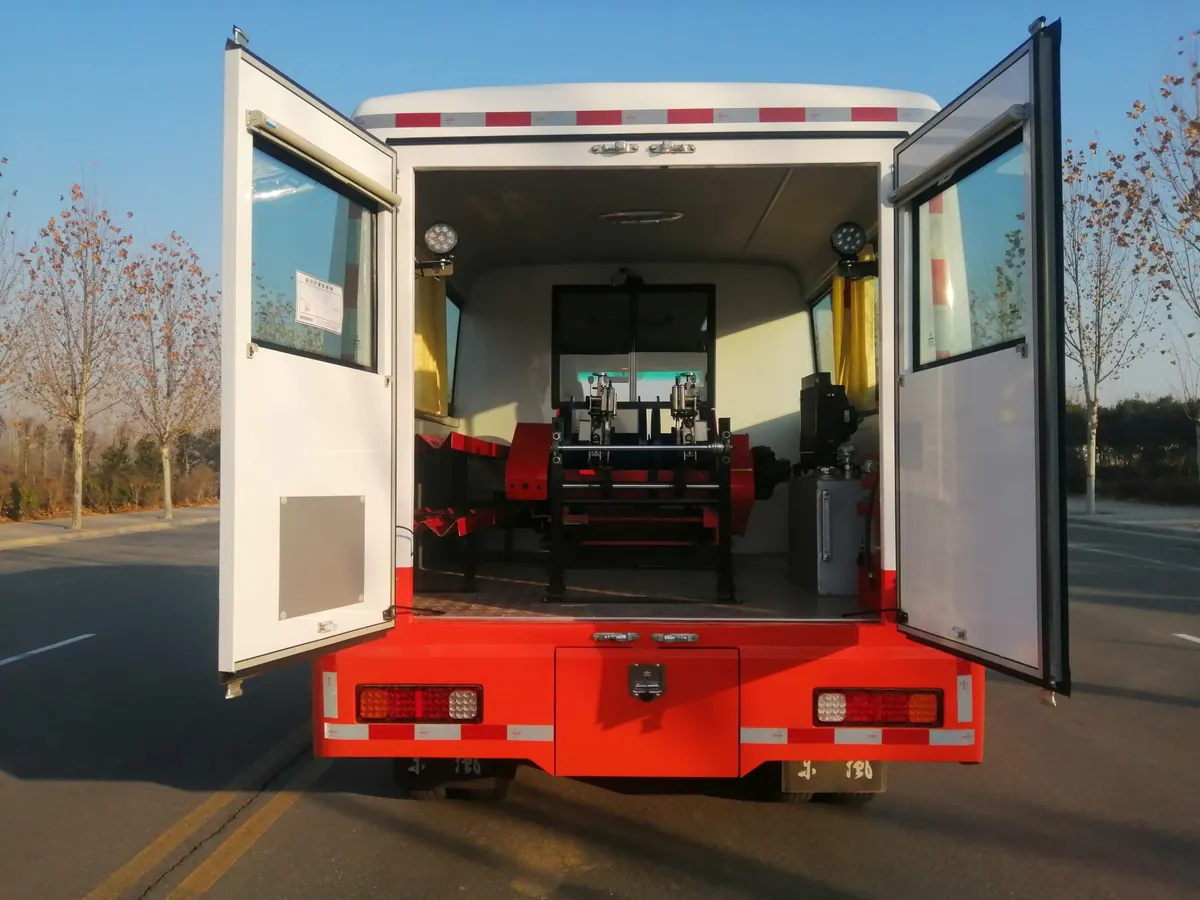
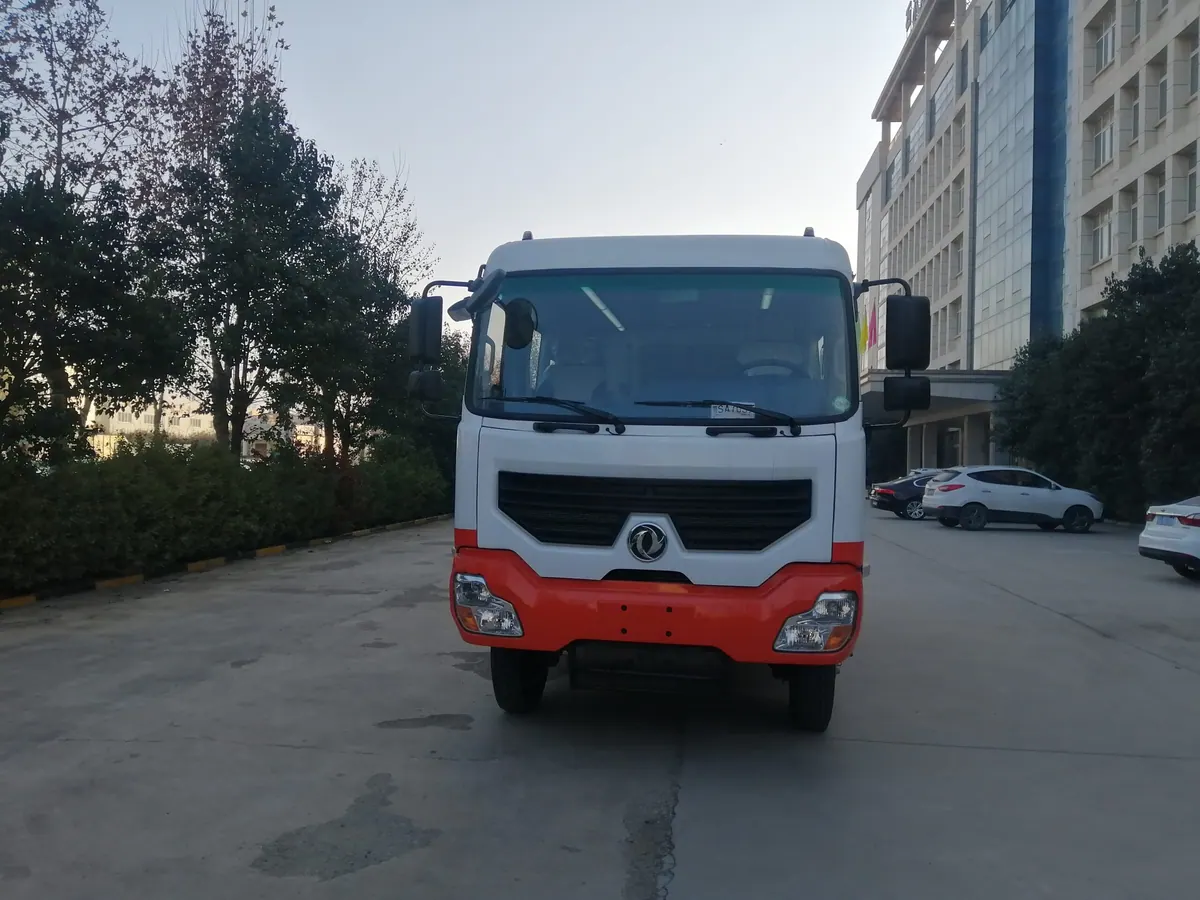
Select the truck from the instrument deployment and measurement assignment, not from the words well testing alone. Confirm the line and tool combination, depth and load basis, acquired signals, power arrangement and operator workspace. External well-control equipment, surface separation and flow handling require their own agreed supply and acceptance boundaries. A vehicle photograph does not prove installed accessories or universal downhole-tool compatibility. Retain the accepted equipment schedule, interface drawings, calibration evidence and operating documents with the purchase. Actual field work requires approved procedures and competent personnel.
For the wider equipment scope, consult the Test Well Truck: Remote Field Guide. Use the RFQ checklist to collect the supporting documents before requesting a configuration-specific quotation.
Buyer questions
Does cabin heating establish winter readiness of every component?
No. Review each required function and its actual environmental basis.
Are storage and cold-start limits interchangeable?
No. Specify the relevant conditions and acceptance requirement separately.
Background and supplier contact
OSHA oil and gas extraction guidance offers related background, not certification of the equipment in a quotation. Applicability must be checked for the project and destination.
Explore the test well truck, browse all technical resources, or visit Vance Petroleum for company information. Request a test-truck proposal with the tool program, line selection, required measurements, site interfaces and destination.