
Start with the test objective
If separate oil and water rates are required, a two-phase gas-liquid arrangement does not automatically provide them. A three-phase separator adds an oil-water separation and control duty that must work with the actual fluids. State the required phase measurements and sampling objectives before comparing vessel sizes. Additional phase outlets are useful only when their streams are adequately separated.
Review the separation difficulty
Consider fluid density difference, viscosity, emulsions, foam and changing water cut. These conditions affect residence time and control requirements. Ask for the offered internals and operating envelope rather than assuming that the three-phase label proves suitable performance. A vessel that meets a pressure rating can still be unsuitable for the required phase separation at the planned rates.
Check measurement and outlet handling
Define the meters, sampling points and destinations for each outlet. Ensure the downstream system can receive the expected flow without destabilizing vessel control. Include the cleaning and inspection access needed for the fluid service. Compare the entire test arrangement, since external measurement or additional separation may change the apparent advantage of a simpler package.
Evidence to collect for this decision
| Condition | Review action | Useful evidence |
|---|---|---|
| Separate oil and water rates | Assess three-phase duty | Phase-measurement objective |
| Stable emulsion | Review separation feasibility | Fluid samples and process assessment |
| Limited outlet handling | Check backpressure effects | Downstream capacity and pressure range |
Keep these observations with the equipment reference and operating conditions. When comparing proposals or service findings, check that each record describes the same configuration and duty. Resolve missing inputs with the responsible engineer before treating an estimate as an accepted operating limit.
Evaluate separation at the expected phase conditions
A separator capacity review needs gas, oil and water rates at stated pressure and temperature, together with fluid properties and likely contaminants. Independent maximum ratings should not be combined into an assumed simultaneous duty. Ask which conditions were evaluated for the offered vessel and internals, and identify the uncertainty in the well forecast. Sampling, control and downstream handling need to be assessed with the separation function.
Observe process behavior and measurements together during the accepted operating sequence. Outlet quality, level stability and the available receiving capacity can be as important as total throughput. Document changes in flow conditions so an apparent deterioration is not compared with an unrelated baseline. The pressure-vessel rating establishes a mechanical boundary, while separation performance requires its own process assessment. Both must be satisfied. If a difficult fluid case is outside the reviewed envelope, the responsible test or production engineer should approve a revised arrangement before treating the data as representative.
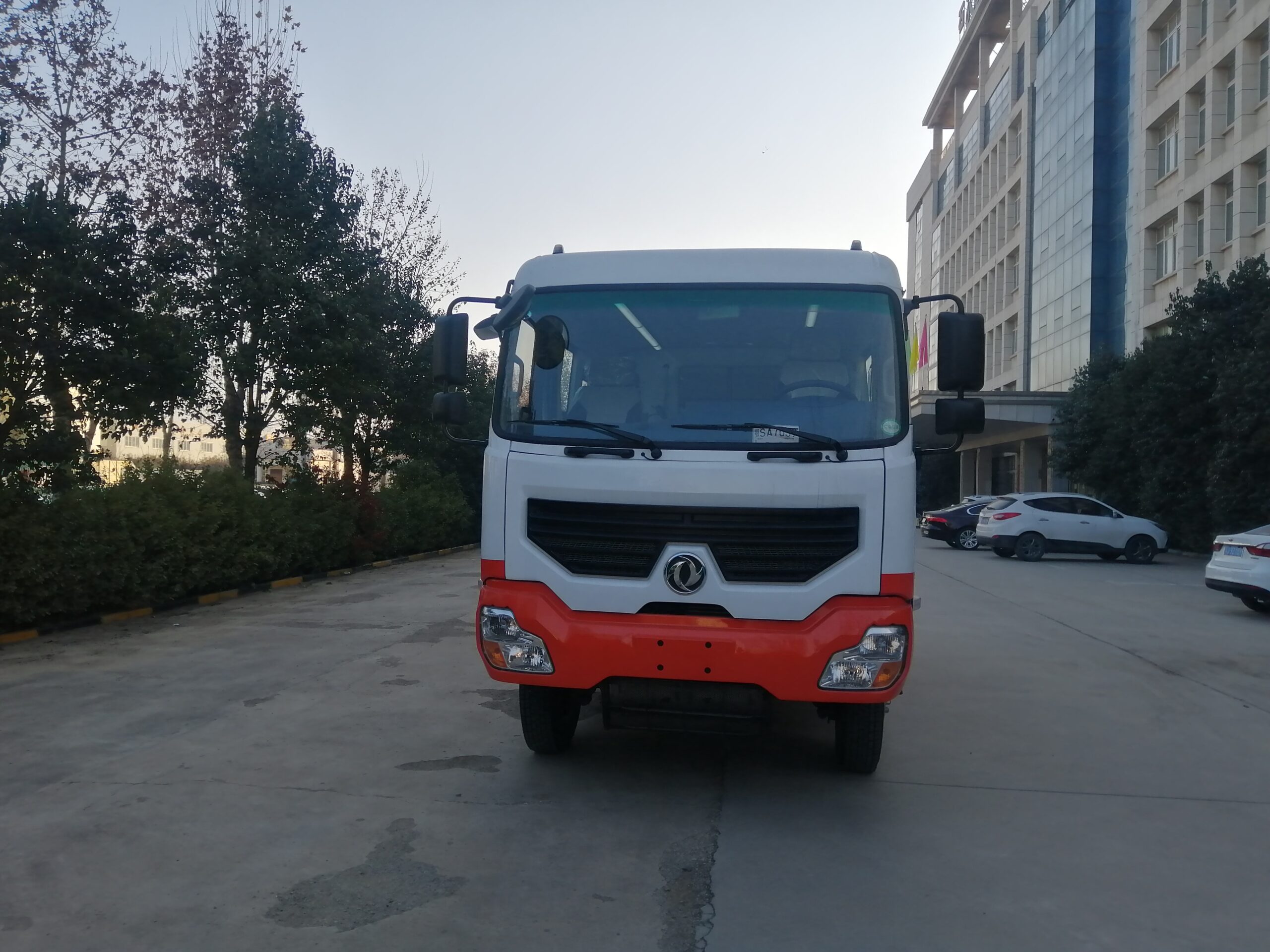
Apply the review to the offered test well truck
Connect the separator selection to the test objective and likely effluent behavior. Include uncertain initial returns, solids and foam where relevant. Vessel pressure rating, phase separation and measurement capability are separate checks that must agree for the proposed testing arrangement.
- Expected phase rates: record the project range and identify whether the value is measured, calculated or still provisional.
- Operating pressure and temperature: state the accepted limit and the equipment or process boundary to which it applies.
- Fluid PVT behavior: include variation through the job instead of relying only on the normal operating value.
- Sand and H2S risk: identify the responsible supplier or site team and the evidence needed before acceptance.
- Measurement uncertainty target: review the case that governs this requirement and retain its basis with the equipment records.
The complete package is intended for mobile separation and measurement of oil, gas and water during well cleanup, appraisal and production testing. Confirm the scope of the two- or three-phase test separator, multiphase metering instruments, choke and pressure-control manifold, sampling and data-acquisition package against the selected duty. Use the specifications and sizing guide for the broader equipment requirements and the RFQ checklist to organize the supporting documents.
Questions about this equipment decision
Is a three-phase separator always more accurate than a two-phase separator?
No. Accuracy depends on the required measurements and actual separation quality. An unsuitable three-phase process can still produce poor phase-rate data.
What information helps review this test well truck requirement?
Provide phase-measurement objective; fluid samples and process assessment; downstream capacity and pressure range, together with the installed equipment identification and the proposed operating conditions.
References and project support
Well test separator process reference provides additional background. For the equipment range and company information, visit Vance Petroleum. Share the relevant duty and records when requesting a project-specific review.